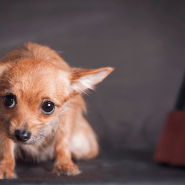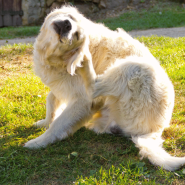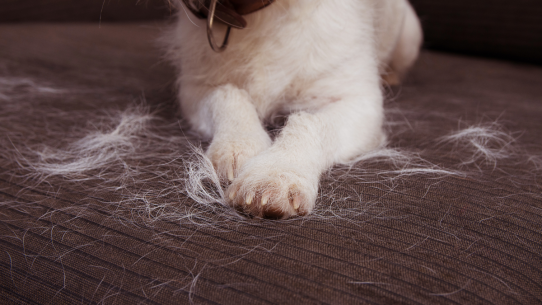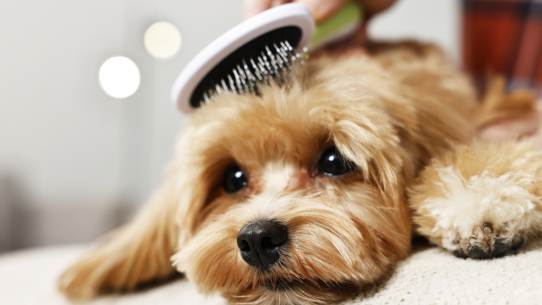



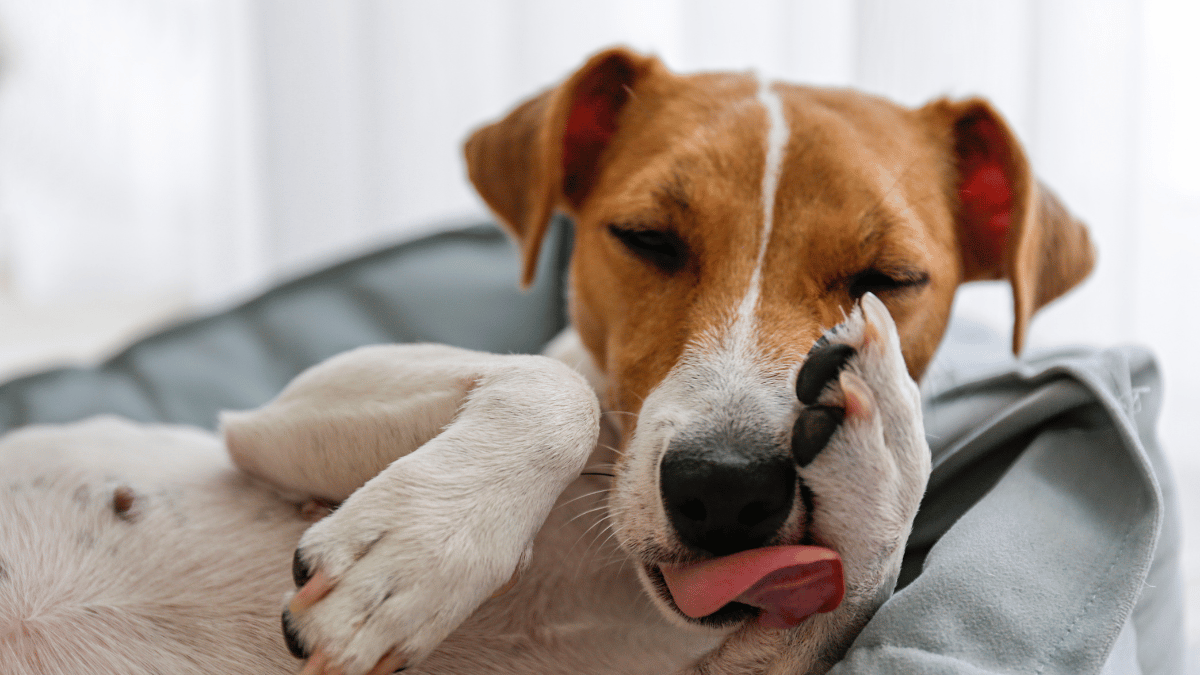
If your dog keeps licking their paws, you might be wondering whether it is normal or a sign of something more serious. Paw licking is common, but frequent or intense licking usually means your dog is trying to soothe irritation, discomfort or pain. Understanding the cause helps you know what to do next.
1. Allergies
Allergies are the number one reason dogs lick their paws. Dogs can be allergic to pollen, grass, dust, mold, cleaning products or certain foods.
Common signs
• Red or swollen paws
• Licking after walks or outdoor time
• Itchy skin or ears
• Seasonal flare ups
What helps
Wipe paws after walks, consider a hypoallergenic diet or use vet-approved allergy treatments.
2. Dry or Irritated Skin
Cold weather, low humidity, overbathing or harsh cleaning products can dry out your dog’s skin, including their paws.
Signs
• Flaky skin
• Rough paw pads
• Mild but frequent licking
What helps
Use moisturizing paw balms and a gentle dog shampoo. Avoid overbathing.
3. Fleas, Ticks or Mites
Bugs and parasites can irritate the skin, especially around the paws.
Signs
• Intense licking
• Red bumps
• Hair loss
• Visible fleas or flea dirt
Make sure your dog is on regular flea and tick prevention.
4. Injuries
Small cuts, cracked paw pads, thorns, ice burns or hot pavement can cause discomfort.
Signs
• Limping
• Sudden licking
• Sensitivity when you touch the paw
Check between the toes for debris and clean the area gently.
5. Boredom or Anxiety
Dogs often lick their paws when they feel stressed, under stimulated or anxious.
Signs
• Licking mostly at night
• Licking during quiet times
• Restlessness
• Destructive behaviors
More mental stimulation, exercise and calming routines can help.
6. Yeast or Bacterial Infections
Moisture trapped between toes can lead to infections that cause itching and discomfort.
Signs
• Strong smell
• Red or greasy skin
• Brown discharge
• Persistent licking
These infections need veterinary treatment.
7. Food Sensitivities
Some dogs react to ingredients like chicken, beef, dairy or wheat.
Signs
• Licking year round
• Chronic ear infections
• Gas or stomach upset
• Red or itchy skin
Your vet may recommend a food trial to identify triggers.
When should you see a vet?
Contact your vet if your dog has:
• Licking that does not stop
• Swelling or bleeding
• Hot spots or open sores
• Bad smell from the paws
• Repeated infections
• Signs of pain
Quick treatment prevents the licking from turning into a bigger problem.
How you can help at home
You can try:
• Wiping paws after walks
• Using moisturizing paw balm
• Keeping nails trimmed
• Using a cone or booties to stop licking
• Adding omega-3 supplements for skin health
• Giving more exercise or enrichment for mental stimulation
Final thoughts
Paw licking can be caused by something simple like dry skin, or something more serious like allergies or infections. Paying attention to when and how your dog licks their paws will help you understand what is going on. If the licking continues or your dog seems uncomfortable, it is always best to contact your veterinarian.