


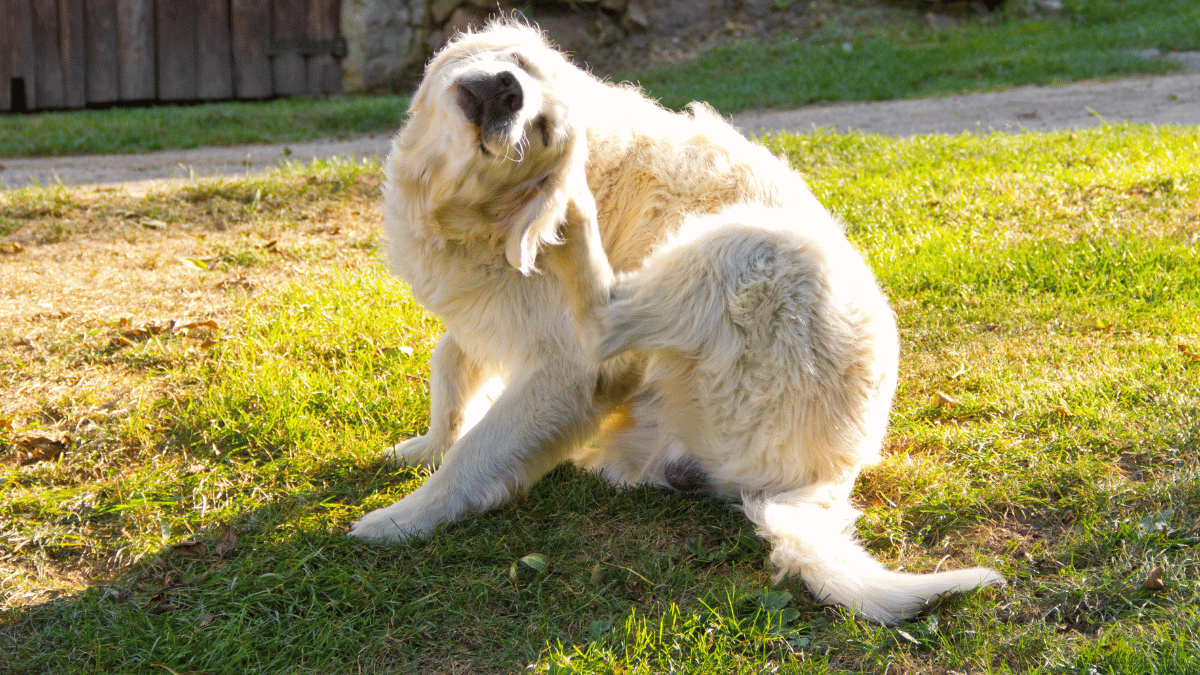

If your dog won’t stop scratching, chewing, or licking, you’re not alone. Itching is one of the most common reasons dogs visit the vet. Sometimes the cause is something simple like dry skin, and other times it’s allergies, parasites, or infections. Understanding the reason behind your dog’s itching helps you know what to do next.
1. Fleas and ticks
Fleas are the most common cause of sudden, intense itching in dogs. Even a single flea bite can make some dogs scratch non-stop.
Common signs
• Constant scratching
• Biting at the back or tail
• Red, irritated skin
• Small black specks (flea dirt)
What you can do
Use a vet-approved flea treatment and wash bedding. Treat every pet in the house.
2. Seasonal allergies
Dogs can be allergic to pollen, grass, dust mites, and mold. These allergies often flare up during certain seasons.
Signs of environmental allergies
• Chewing or licking paws
• Red or itchy skin
• Ear infections
• Rubbing the face or eyes
What helps
Clean paws after walks, use a gentle allergy shampoo, and ask your vet about allergy medications.
3. Food allergies
Food allergies can cause year-round itching. Common triggers include chicken, beef, dairy, wheat, and eggs.
Signs of food allergies
• Persistent itching
• Recurring ear infections
• Digestive issues
• Itching that doesn’t improve
What helps
Your vet may recommend an elimination diet to identify the trigger.
4. Dry skin
Low humidity, winter weather, or overbathing can lead to dry, flaky skin.
Signs of dry skin
• Dandruff
• Mild scratching
• Flakes on the coat
What helps
Use moisturizing dog shampoo and consider adding omega-3 supplements to support skin health.
5. Yeast or bacterial infections
Skin infections often happen after allergies or moisture buildup and can cause strong itching.
Signs of infection
• Strong odor
• Red or greasy skin
• Dark discharge in ears
• Excessive licking
These require veterinary treatment.
6. Mites (mange)
Mites like sarcoptic mange or demodex cause intense itchiness and hair loss.
Signs of mites
• Bald spots
• Scabs
• Red skin
• Severe scratching
A vet must diagnose and treat mange.
7. Contact irritation
Some dogs react to grass, cleaning products, shampoos, or lawn chemicals.
Signs of contact irritation
• Red belly
• Itching after walks or baths
• Irritation in areas touching the ground
Try switching to hypoallergenic products and rinsing paws.
8. Hormonal imbalances
Conditions like hypothyroidism or Cushing’s disease can affect the skin.
Signs of hormonal problems
• Thinning hair
• Weight changes
• Low energy
• Repeated skin infections
These require vet testing and treatment.
When should you see a vet?
Contact your veterinarian if your dog has:
• Continuous itching
• Red or inflamed skin
• Bald patches
• Bad odor
• Open sores
• Head shaking or ear inflammation
• No improvement after home care
Itching can worsen quickly, so early attention is best.
How to help your dog at home
You can try:
• Flea prevention
• Oatmeal or aloe dog shampoo
• Cleaning paws after walks
• Fish oil supplements
• A humidifier for dry air
• Regular grooming and clean bedding
Avoid human medications unless your vet approves them.
Final thoughts
Most causes of itching are treatable once you know the cause. Start by checking for fleas, dry skin, or allergies. If the itching continues or your dog seems uncomfortable, your vet can find the underlying issue and help your dog feel better fast.