


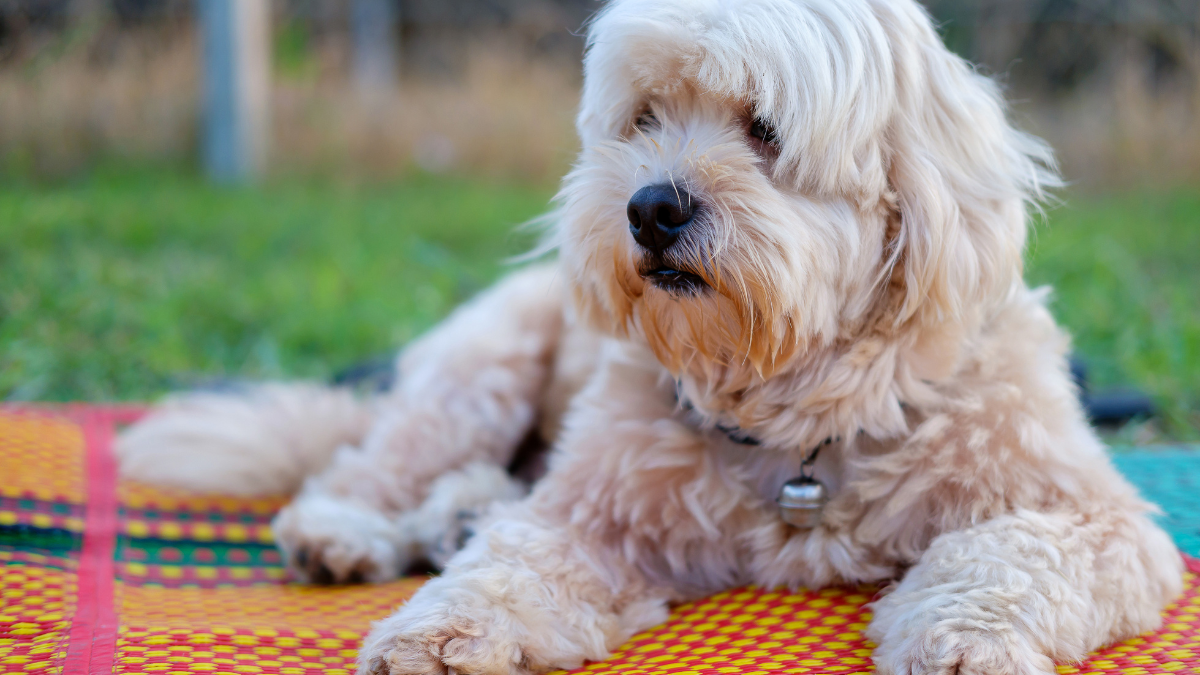

Long coat dogs look beautiful—but their hair can tangle easily if not brushed regularly. Mats form when dead hair, dirt and moisture get trapped close to the skin. These mats can pull on the skin, cause irritation and sometimes lead to infection. The good news is that with the right tools and method, you can remove mats safely at home without causing stress to your dog.
Why Mats Happen
Mats usually form due to
• Lack of brushing
• Moisture after baths or swimming
• Scratching or allergies
• Long hair around ears, belly and legs
• Using the wrong brush
• Wearing tight harnesses or collars
Breeds like Shih Tzu, Afghan Hound, Maltese, Poodle, and Cocker Spaniel are more likely to develop matting.
1. Spot the Trouble Areas
Check these areas first:
• Behind ears
• Under armpits
• Around tail and hind legs
• Collar/harness areas
• Belly and chest hair
These areas tangle first because of friction and moisture.
2. Detangling Tools That Help
Keep these tools ready before grooming:
• Slicker brush
• Detangling comb
• Dematting tool
• Conditioning/detangling spray
• Grooming scissors (for emergency trims)
Add Amazon affiliate links for monetization under this section.
3. Step-by-Step Method to Remove Mats
- Do not pull the mat. It hurts the dog.
- Spray a light detangling conditioner.
- Gently use your fingers to loosen the mat.
- Use a slicker brush slowly from the ends.
- If needed, use a dematting comb and work in small sections.
- Offer treats to keep your dog relaxed.
Be patient. Slow and calm grooming helps reduce stress.
4. When to Cut the Mat
If the mat is too tight or close to the skin, do not try to brush it out. Groomers and vets recommend trimming it carefully or shaving that area for safety. For large mats, professional grooming is the safest option.
5. Prevent Mats from Coming Back
• Brush daily (long coats need regular maintenance)
• Always dry the coat after a bath or swim
• Use leave-in conditioner sprays
• Keep hair short around trouble areas
• Clean ears regularly to avoid scratching
• Choose a harness that doesn’t rub the coat
Prevention is always easier than removal.
6. When to Visit a Groomer
See a groomer or vet if:
• The mat is close to the skin
• Your dog shows pain or skin redness
• The mat smells bad or looks infected
• Your dog refuses to be brushed
• Matting covers large areas of the coat
Professional help prevents injury or infection.
Conclusion
Mats and tangles are common but manageable. With the right grooming routine and tools, your dog’s coat can stay soft, healthy and pain-free. A few minutes of brushing each day makes a big difference—especially for long coat breeds.
A healthy coat starts with gentle care.