





Dog anxiety affects millions of pets worldwide. Recognizing the signs early can prevent stress-related health issues and improve your dog’s quality of life. Modern tools, training techniques, and natural remedies make managing dog anxiety easier than ever.
1. Common Signs of Dog Anxiety
- Excessive barking or whining
- Restlessness or pacing
- Destructive behavior (chewing furniture, digging)
- Panting or drooling without cause
- Aggression or clinginess
2. Causes of Dog Anxiety
- Separation from owners or family members
- Loud noises (fireworks, storms, traffic)
- Changes in environment (moving homes, new pets)
- Health problems or pain
- Past trauma or abuse
3. Effective Strategies to Reduce Anxiety
- Routine & Structure: Dogs thrive on consistency.
- Positive Reinforcement: Reward calm behavior with treats and praise.
- Exercise & Mental Stimulation: Regular walks, playtime, and puzzle toys reduce stress.
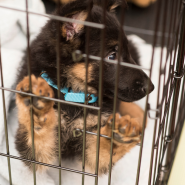
- Safe Spaces: Create a quiet area or crate where your dog feels secure.
- Natural Remedies: Calming chews, pheromone diffusers, or CBD oils (consult your vet).
4. Training Techniques for Anxious Dogs
- Gradual desensitization to triggers
- Counter-conditioning with positive associations
- Professional training programs focused on behavior modification
5. When to See a Veterinarian
- If anxiety persists or worsens
- Signs of physical health issues or sudden behavior changes
- Before introducing supplements or medications
Conclusion
Dog anxiety is a manageable condition with the right approach. By recognizing the signs, understanding triggers, and implementing training and calming strategies, you can help your dog live a stress-free and happy life.
Combining care, consistency, and the right tools can make a huge difference in your dog’s mental health and overall wellbeing.