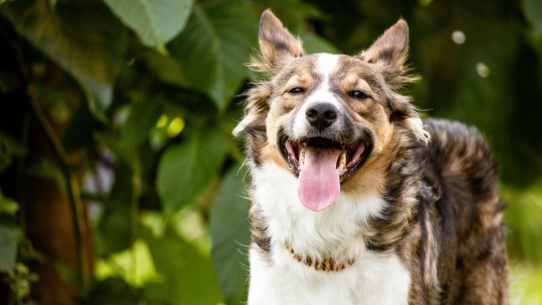


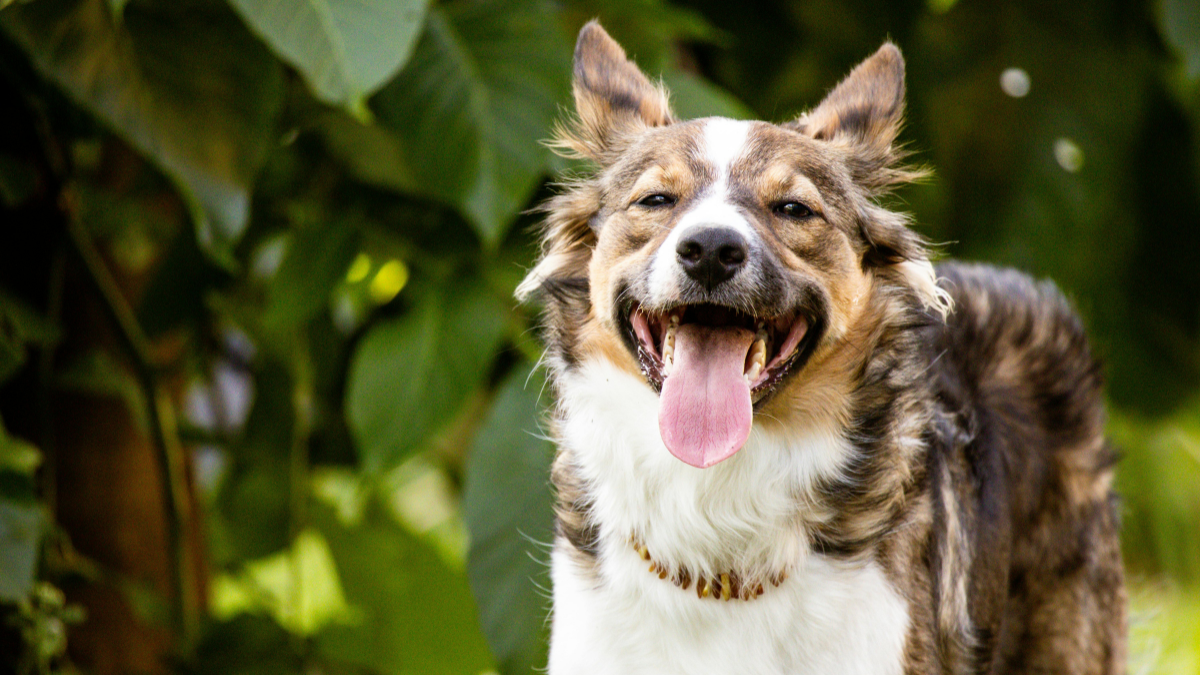

Many dogs show high energy and excitement, especially during play or when people come home. While excitement is natural, too much of it can lead to jumping, barking and lack of control. The goal is not to remove energy but to guide it in a healthy way. This guide explains how to calm an overexcited dog using simple and consistent training methods.
1. Understand Why Dogs Become Overexcited
Common reasons include
• Lack of exercise
• Boredom
• Overstimulation
• Attention seeking
• New surroundings
• Playful personality
Once you understand the trigger, you can create the right solution.
2. Use Structured Exercise
Physical and mental exercise help release energy in a balanced way. Try
• Daily walks
• Hide and seek toys
• Sniffing games
• Puzzle feeders
• Fetch with short breaks
Tired does not mean calm. Structured activities are more effective than endless play.
3. Teach Calm Greetings
Overexcited dogs often jump when people arrive. Try
• Ask your dog to sit before greeting
• Reward only when calm
• Avoid loud voices or quick movements
• Use the leash to guide gently
Your energy affects theirs. Stay relaxed during greetings.
4. Practice Impulse Control Training
Teach your dog to wait before acting. Use simple exercises
• “Wait” before eating
• “Stay” before going outside
• “Place” on a mat for rest time
• Release commands such as “okay” after waiting
Small exercises build self-control over time.
5. Reward Calm Behaviour
Notice when your dog is calm and relaxed. Reward lying down, slow breathing or quiet behaviour. This teaches them that calm actions bring positive results.
6. Create a Calm Environment
• Reduce loud noise
• Provide a quiet resting area
• Use soft music during rest
• Add enrichment toys for focus
• Try calming chews if needed (vet-approved)
Environment plays a big role in behaviour.
7. When to Seek Professional Help
A trainer or behaviourist may help if your dog
• Cannot settle even after exercise
• Shows anxiety or reactivity
• Has trouble focusing on commands
• Becomes destructive or frantic
Timing and early guidance can prevent long-term issues.
Conclusion
An overexcited dog does not need discipline but structure, patience and guidance. With consistent training, clear routines and positive reinforcement, dogs learn how to use their energy wisely. Calm behaviour is a skill that can be trained at any age.
Calm starts with guidance, not punishment.