

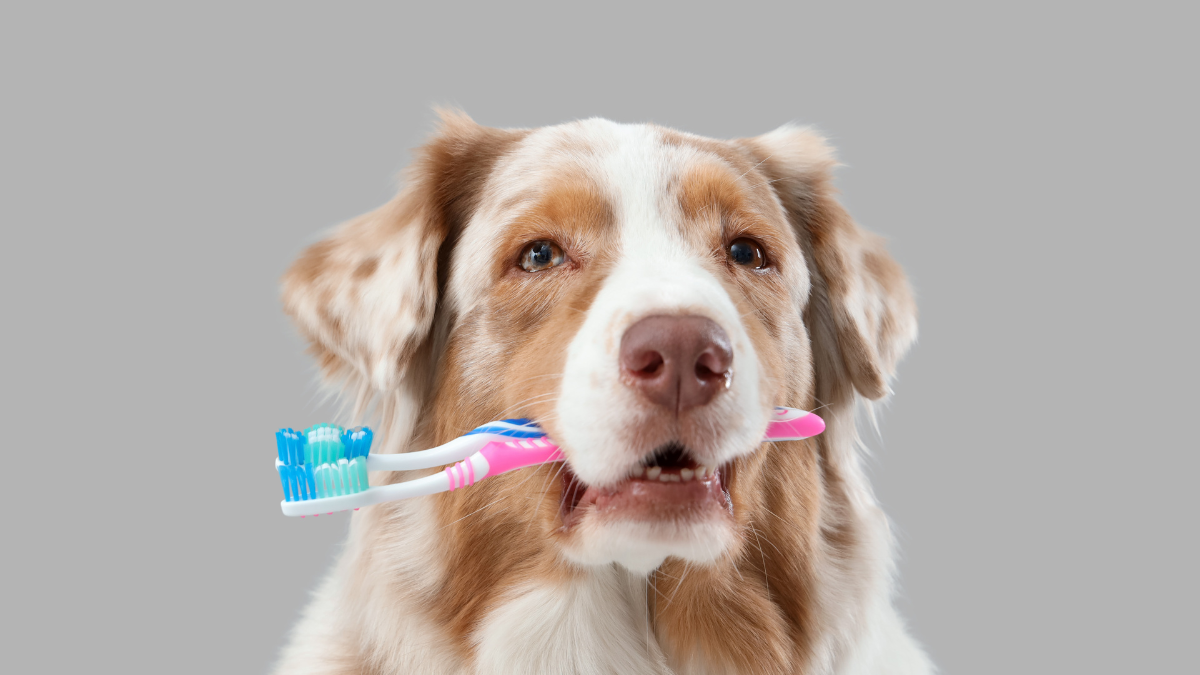

Dental care is one of the most overlooked parts of dog health. Poor oral hygiene can lead to bad breath, gum disease and even serious health problems. The good news is that brushing your dog’s teeth at home is simple once you know the right method. With a few tools and a calm approach, you can protect your dog’s dental health and help them live a happier life.
1. Why Brushing Your Dog’s Teeth Matters
Dogs use their mouth for everything — eating, playing, chewing and exploring. That’s why keeping their teeth clean is essential.
Benefits of brushing
• Prevents plaque and tartar buildup
• Reduces bad breath
• Protects gums and prevents infections
• Supports long-term health and longevity
Dental disease is one of the most common health issues in dogs, yet it is easily preventable with a regular brushing routine.
2. What You Need Before Brushing
Make sure you have
• Dog toothbrush or finger brush
• Dog-safe toothpaste (never use human toothpaste)
• Treats for rewards
• Calm environment with little distraction
• A comfortable position for your dog — on your lap or standing
3. How to Introduce Tooth Brushing
Start slowly if your dog is new to brushing
• Let them taste the toothpaste
• Touch their mouth gently
• Lift their lips for just a few seconds
• Reward them for calm behaviour
This step builds trust. Never rush the process.
4. Step-by-Step: How to Brush Your Dog’s Teeth
Follow this simple routine
- Gently lift your dog’s upper lip
- Use circular motions on the teeth and gum line
- Brush only a few teeth at a time
- Focus on outer surfaces (dogs do most chewing on that side)
- Keep the session short — 30 seconds is enough for beginners
Reward after every successful step. Positive reinforcement is key.
5. How Often Should You Brush?
• Ideally: once a day
• Minimum: three times a week
• Even quick sessions help prevent plaque buildup
Consistency matters more than perfection.
6. Signs Your Dog May Need Dental Care
Watch for these warning signs
• Bad breath
• Yellow or brown teeth
• Bleeding gums
• Drooling more than usual
• Pawing at the mouth
• Avoiding hard food or toys
If you notice these symptoms, visit your vet for a dental check-up.
7. Extra Tips for Easier Brushing
• Use flavored dog toothpaste (chicken, peanut butter or beef)
• Keep brushing sessions short and calm
• Try dental chews to support the routine
• Use finger brushes for smaller breeds
• Create a daily or weekly brushing schedule
Conclusion
Brushing your dog’s teeth at home is one of the best ways to protect their health. With the right tools and gentle training, it can become a quick and positive habit. A clean mouth means fresher breath, better health and a happier dog.
Your dog may not love brushing at first, but with patience and rewards, they’ll soon accept it as part of their routine.