




Just like humans, dogs can benefit from nutrition beyond regular food. Supplements can support joint health, digestion, skin, coat and overall wellness. But not all supplements are safe or necessary. Choosing the right one depends on your dog’s age, lifestyle and health needs. This guide explains the most useful vet-approved supplements and how to use them safely.
1. When Does a Dog Need Supplements
Your dog may benefit from supplements if you notice
• Stiffness or joint pain
• Allergies or itchy skin
• Dull coat or hair loss
• Digestive issues or bloating
• Low energy or weak immunity
Always speak with a vet before starting any supplement routine.
2. Best Supplements for Dogs
Here are commonly recommended types
Glucosamine and Chondroitin
Supports joint health and mobility. Ideal for older dogs or breeds prone to hip pain.
Our Recommendation:
➡️ Glucosamine Chondroitin Chews
This supplement is often used for dogs with stiffness or joint discomfort. You can mix it with food and monitor progress over a few weeks. Always speak with your vet before long-term use.
Omega 3 Fatty Acids (Fish Oil)
Improves skin, coat shine and supports brain health. Some pet parents notice less itching and inflammation.
Our Recommendation:
➡️ Omega 3 Fish Oil for Dogs
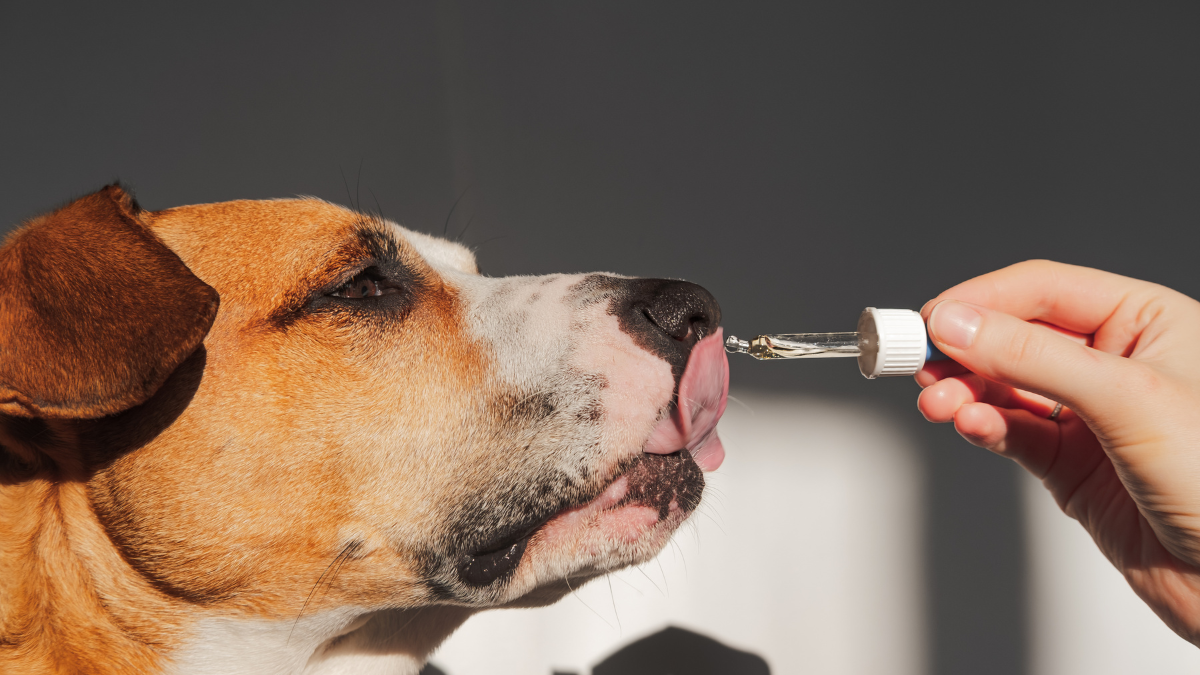
Liquid oils are easy to pour over food. Start with a small dose and increase as needed.
Probiotics
Supports digestion, reduces gas and improves gut health. Helpful after antibiotics or diet change.
Our Recommendation:
➡️ Probiotics for Dogs
Chewable probiotics are easier for puppies and picky eaters.
Multivitamins
Good for overall support in picky eaters or dogs with unbalanced diets.
Our Recommendation:
➡️ Zesty Paws 8-in-1 Dog Multivitamin Chewables
Choose one with clear labeling and no artificial fillers.
CBD or Calming Supplements
Can be helpful for anxiety and stress. Not suitable for every dog. Always vet-approved.
Our Recommendation:
➡️ Calming Hemp Treats for Dogs
Start with a very small dose and observe your dog’s behaviour.
Skin and Coat Supplements (Biotin or Vitamin E)
Helps dry skin, itching and supports healthy hair growth.
Our Recommendation:
➡️ BARK&SPARK Omega 3 for Dogs
Often used during seasonal shedding or when skin looks dull.
3. How to Choose the Right Supplement
Ask yourself
• What problem am I trying to solve
• Does my dog already get this through food
• What does the ingredient list say
• Is the supplement tested and safe
• Has my vet approved it
A supplement should fill a gap, not replace a healthy diet.
4. How to Give Supplements Safely
• Follow dosage instructions exactly
• Start with small amounts
• Watch for any allergic reactions
• Never mix supplements without guidance
• Avoid human supplements unless vet-approved
Healthy dogs do not need unnecessary products. Less is sometimes better.
5. Possible Side Effects
Some supplements may cause
• Upset stomach
• Diarrhea
• Restlessness or fatigue
• Allergic reaction
• Change in appetite
Stop use and call your vet if any symptoms appear.
Conclusion
Supplements can support your dog’s health when used correctly. The best way to choose is to focus on your dog’s specific needs and get advice from a veterinarian. A balanced diet is always the foundation. Supplements should be used carefully to enhance health and quality of life.
Good nutrition leads to a strong and happy dog.
Disclaimer:
This post contains affiliate links. If you make a purchase through these links, it won’t cost you extra but may help support this website.