


Every dog has a different coat type — and each coat needs a specific grooming tool. Using the wrong brush can lead to mats, shedding, skin irritation or discomfort. The good news is that with the right grooming tools, you can make brushing easier, reduce hair around the house and improve your dog’s coat health. This guide explains the best brushes and grooming tools for every coat type.
1. Short Coat Dogs
Examples: Beagle, Boxer, Dalmatian, Pit Bull
These dogs need light brushing but benefit from regular grooming to remove loose hair and improve skin health.
Best Tools:
• Rubber curry brush
• Bristle brush
• Grooming glove
Tip: Brush 1–2 times a week to keep coat shiny and reduce shedding.
2. Medium Coat Dogs
Examples: Cocker Spaniel, Border Collie, Golden Retriever
Medium coats may develop light tangles and shed seasonally.
Best Tools:
• Slicker brush
• Comb with wide and narrow teeth
• De-shedding tool (during shedding season)
Tip: Brush 3–4 times a week to prevent mats and control shedding.
3. Long Coat Dogs
Examples: Shih Tzu, Afghan Hound, Lhasa Apso
These breeds need frequent grooming, especially around ears and legs where tangles appear easily.
Best Tools:
• Pin brush
• Detangling comb
• Conditioning spray
Tip: Daily brushing helps prevent painful mats and keeps hair smooth.
4. Double Coat Dogs
Examples: Husky, Labrador, German Shepherd, Samoyed
Double coats shed heavily during season changes and need deeper grooming to reach the undercoat.
Best Tools:
• Undercoat rake
• De-shedding tool
• Slicker brush
Tip: Do not shave double-coated dogs — it may damage their natural coat protection.
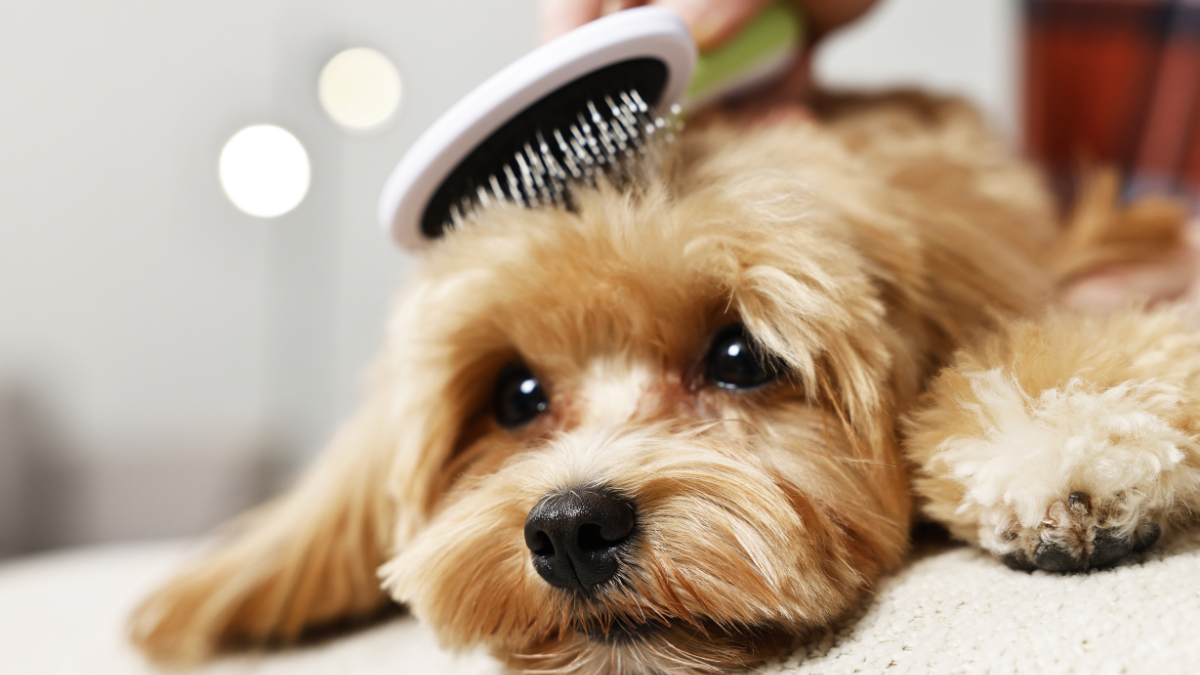
5. Curly or Wavy Coat Dogs
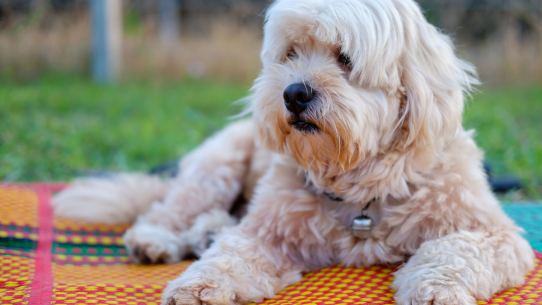
Examples: Poodle, Goldendoodle, Bichon Frise
Curly coats need regular brushing to avoid tight mats and skin infections.
Best Tools:
• Slicker brush
• Stainless steel comb
• Dematting tool
Tip: Use a leave-in conditioner spray before brushing for smoother results.
6. Wire Coat Dogs
Examples: Terrier breeds, Schnauzer, Wirehaired Dachshund
These coats need hand-stripping or special tools to remove rough outer hair.
Best Tools:
• Slicker brush
• Stripping knife (for experienced groomers)
• Coat king comb
Tip: Regular brushing prevents coarse hair build-up and skin irritation.
Bonus Grooming Accessories
• Nail clippers or grinder
• Ear cleaning solution
• Shampoo for coat type
• Drying towel or dryer
• Detangling spray (for long coats)
You can add Amazon affiliate links under this section to monetize this blog.
How to Choose the Right Brush
Pick tools based on
• Coat type
• Shedding level
• Dog’s comfort
• Grooming frequency
• Skin sensitivity
If your dog shows signs of discomfort while brushing, switch to a softer tool or detangle gently with a conditioner spray.
Conclusion
Using the correct grooming tools makes a big difference in your dog’s overall health and comfort. With the right brush and a simple routine, shedding and tangling can be reduced easily at home — no groomer needed every time.
A happy coat begins with the right tools.