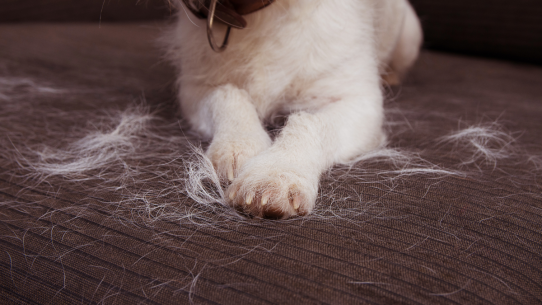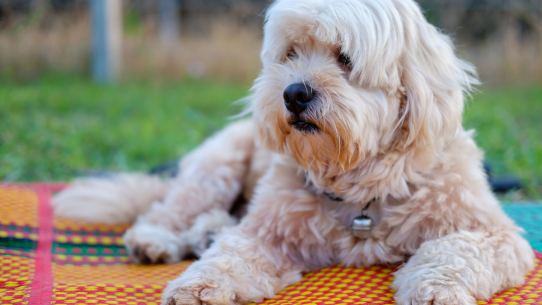


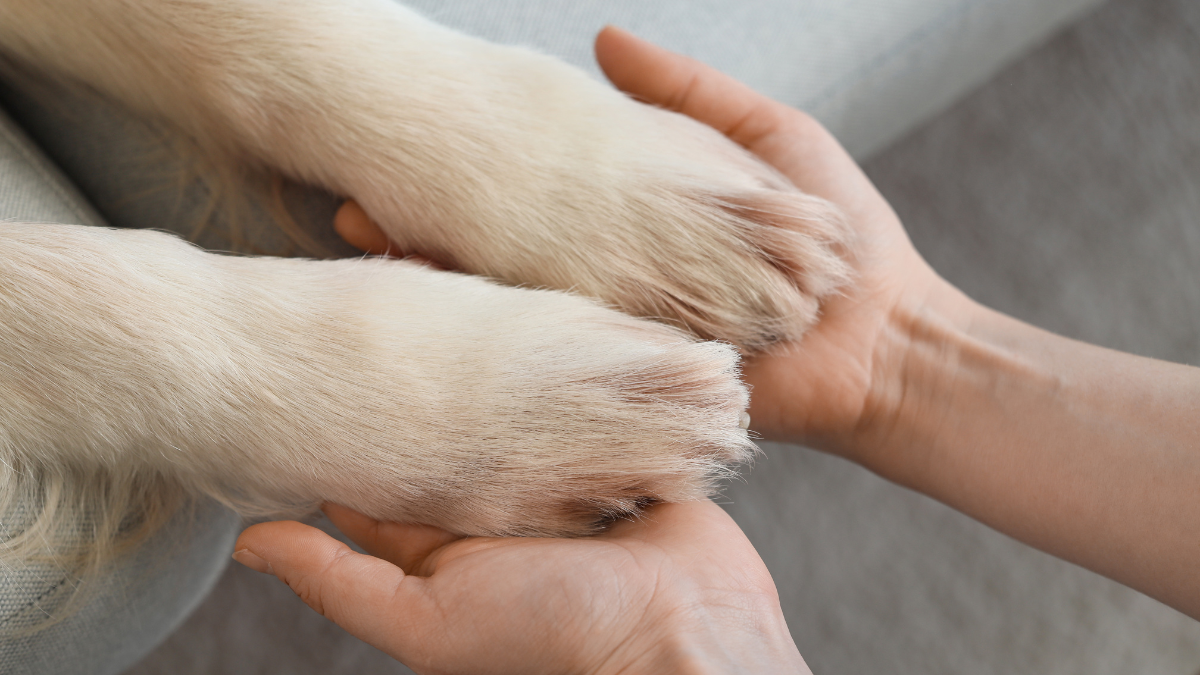

Winter walks can be enjoyable for dogs, but cold weather brings hidden dangers for their paws. Road salt, snow buildup and ice can cause dryness, cracks and painful burns on paw pads. Many dog parents notice licking, limping or refusing to walk during winter without realizing paw damage is the reason. Proper winter paw care helps prevent injury and keeps your dog comfortable all season.
Why Winter Is Hard on Dog Paws
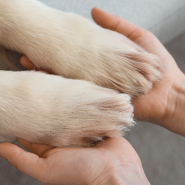
Dog paw pads are tough, but they are not immune to cold and chemicals. During winter, sidewalks and roads are treated with salt and deicers that can irritate the skin. Snow can pack between toes, while ice can create small cuts that lead to infection. Cold air also dries out paw pads, making them more likely to crack.
Common Winter Paw Problems
Watch for these signs after winter walks
• Red or inflamed paw pads
• Cracked or bleeding pads
• Excessive licking or chewing
• Limping or reluctance to walk
• Swelling between toes
• Ice balls stuck in fur
If these symptoms appear, your dog may be experiencing winter paw damage.
How Salt and Deicers Affect Dogs
Road salt and ice-melting chemicals can cause chemical burns when they come in contact with paw pads. Dogs may also lick their paws, ingesting harmful substances that upset the stomach. Even pet-safe salts can still dry out the skin if exposure is frequent.
How to Protect Your Dog’s Paws in Winter
1. Use Dog Booties
Booties create a barrier between paws and harsh surfaces. They are especially helpful during heavy snow or when sidewalks are heavily salted. Start with short indoor practice so your dog adjusts comfortably.
2. Apply Paw Balm Before Walks
Paw balms form a protective layer that reduces moisture loss and prevents cracking. Apply before and after walks for best results. Look for balms made specifically for dogs.
3. Trim Hair Between Paw Pads
Long fur between toes traps snow and ice. Keeping this area trimmed helps reduce ice buildup and improves traction on slippery surfaces.
4. Limit Walk Time in Extreme Cold
Shorter, more frequent walks are safer than long exposure. Watch your dog closely and head indoors if they lift paws or slow down.
After-Walk Paw Care Routine
After every winter walk
• Rinse paws with lukewarm water
• Dry thoroughly, especially between toes
• Check for cracks, cuts or redness
• Apply paw balm if pads feel dry
• Remove any stuck snow or ice
This simple routine prevents long-term damage.
Indoor Paw Care During Winter
Winter dryness affects paws even indoors. Help maintain healthy pads by
• Using a humidifier
• Keeping nails trimmed
• Providing soft bedding
• Avoiding very hot floors
• Maintaining a balanced diet with omega fatty acids
Healthy skin starts from both inside and outside care.
When to See a Vet
Contact your vet if you notice
• Bleeding or deep cracks
• Swelling that does not go down
• Limping lasting more than a day
• Signs of infection such as pus or odor
• Refusal to walk even indoors
Early treatment prevents infection and pain.
Conclusion
Winter paw care is essential for every dog, even those who love snow. Salt, ice and cold air can cause painful damage if paws are not protected properly. With simple steps like paw balm, booties and regular checks, you can keep your dog safe, comfortable and happy throughout winter.
Healthy paws mean safer winter adventures.