


Everything You Need Before Bringing Your Puppy Home
Bringing home a new puppy is one of the most exciting moments in a dog parent’s life. Puppies fill your home with love, playfulness, curiosity, and tiny paw prints. But they also need structure, comfort, and the right essentials to feel safe and settled.
A well prepared Puppy Starter Kit helps you avoid stress on the first day. You know exactly what to offer your puppy and your puppy feels confident from the moment they enter their new home.
This guide will walk you through every essential item you need and why it matters. It also explains how to choose the right products, how much to buy, and how to set up each space in your home. By the end, you will know exactly what your puppy needs for a smooth and happy start.
Why a Puppy Starter Kit Matters
Puppies arrive in a new environment with no understanding of where to sleep, what to chew, or how to feel safe. A starter kit gives your puppy structure from day one.
A starter kit makes house training easier.
A starter kit reduces crying and anxiety.
A starter kit keeps your puppy safe from chewing dangerous objects.
A starter kit sets a strong foundation for training, bonding, and routine.
When you prepare everything in advance, you spend less time running around and more time connecting with your little one.
Essential Items for Your Puppy Starter Kit
Below are the items every puppy needs during the first few weeks. Each item has a purpose and helps support your puppy’s physical and emotional comfort.
1. Comfortable Puppy Bed
A cozy bed gives your puppy a safe space to rest. Puppies sleep many hours a day because they are growing fast. A soft bed supports their spine, keeps them warm, and provides a sense of security.
Look for a washable bed with soft cushioning. Place it in a quiet area where your puppy can relax but still see family members. This helps reduce separation anxiety.
2. Crate for Safety and Training
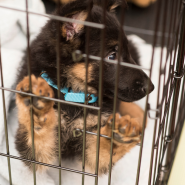
A crate is one of the most important parts of a puppy starter kit. Puppies should not roam freely when unsupervised. A crate keeps them safe from chewing wires, furniture, or objects that could harm them.
A crate also helps with potty training because puppies naturally avoid soiling where they sleep. Choose a crate that gives your puppy enough room to stand, turn, and sleep comfortably.
Place soft bedding inside the crate and introduce it as a positive and safe space. With proper introduction, most puppies love their crate because it feels like a small den.
3. Puppy Food and Feeding Bowls
Your puppy needs a complete and balanced diet made for their age and size. Feeding bowls should be easy to clean and stable so they do not tip over.
Choose stainless steel or BPA free bowls.
Keep one for food and one for fresh water.
Wash both bowls daily to prevent germs.
If you are unsure about the right food, choose a puppy formulated dry or wet food from a trusted brand. Puppies need higher protein, healthy fats, and essential nutrients to support bone and brain development.
4. Collar, Harness, and Leash
Collars carry identification tags.
Harnesses protect the puppy’s neck during walks.
A leash keeps your puppy safe outdoors.
Choose a soft, adjustable collar and a harness that fits securely without rubbing. A lightweight leash is best for young puppies because it feels gentle and easy to handle.
5. Puppy Training Pads
Puppy pads help during early house training and protect your floors. They are especially useful for apartment living or cold winters. Keep a few pads near the door to guide your puppy toward the right potty spot.
Always praise your puppy after they use the pad. Positive reinforcement builds good habits.
6. Puppy Safe Chew Toys
Puppies chew because they are teething and exploring. Chew toys prevent damage to furniture and keep your puppy entertained.
Choose soft rubber toys, rope toys, and gentle teethers. Avoid hard materials that can damage young teeth. Rotate toys every few days to keep your puppy interested.
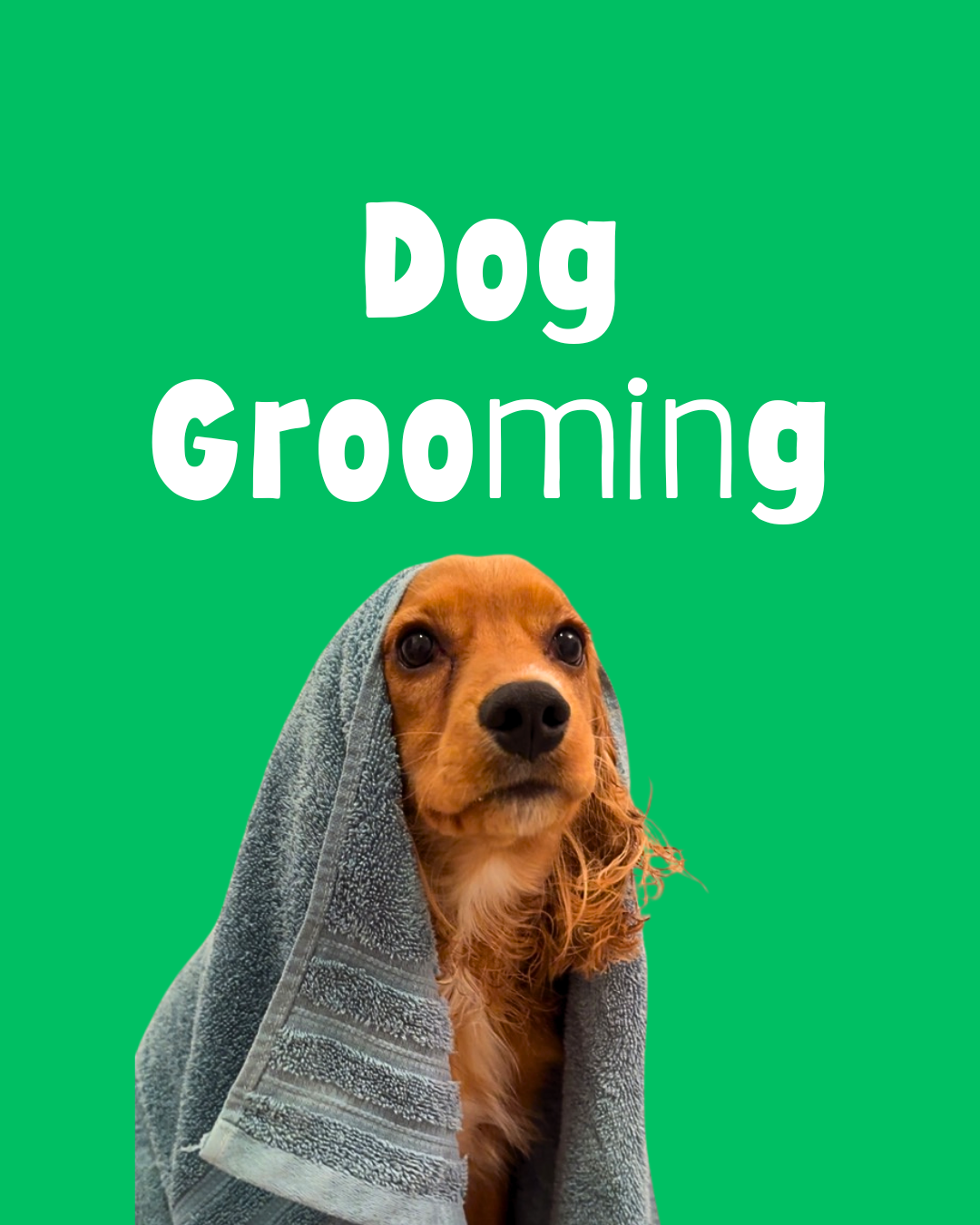
7. Grooming Essentials
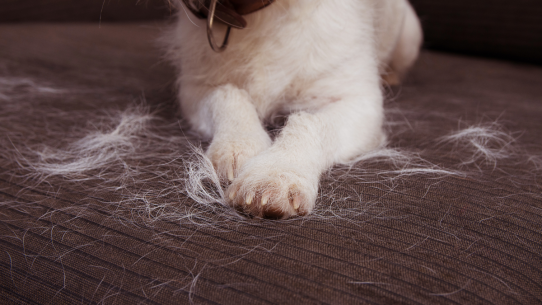
Your puppy will need basic grooming tools from the beginning. These help keep their coat clean and remove loose fur.
Puppy shampoo
Soft brush
Pet safe wipes
Nail trimmer
Ear cleaning solution
Grooming is also an opportunity to bond with your puppy. Go slowly, be gentle, and reward your pup after every session.
8. ID Tag and Microchip
Safety is essential. Puppies can slip out of doors or run during playtime. An ID tag with the puppy’s name and your phone number helps people return your pet if they get lost.
A microchip adds another layer of safety because it stays with your puppy for life.
9. Treats for Training
Treats make training fun and effective. Choose small, soft treats that puppies can chew easily.
Use treats for:
Sit
Stay
Come
Crate training
Potty training
Socialization
Reward your puppy often for good behavior. This builds confidence and trust.
10. Cleaning Supplies
Accidents are normal in the first months. Keep basic cleaning supplies ready so you can clean quickly and reduce odors.
Pet safe floor cleaner
Stain remover
Odor neutralizer
Paper towels
Clean accidents calmly without scolding your puppy. Puppies learn best through positive routines, not punishment.
11. Travel Carrier
A travel carrier helps you take your puppy to vet appointments or short car rides safely. It keeps them calm and protected.
Choose a carrier with good ventilation and a soft mat inside. Use it gently so your pup associates it with comfort, not fear.
How to Set Up Your Home Before the Puppy Arrives
Your home should be prepared before your puppy walks through the door. A well arranged space helps reduce stress.
Choose a potty area
Set up the crate
Arrange a feeding corner
Place toys within reach
Remove dangerous items
Block unsafe areas
Puppy proofing is essential. Puppies explore everything with their mouth. Remove wires, toxic plants, chemicals, and small objects.
First Day Home with Your Puppy
The first day shapes how your puppy feels about your home. Keep the atmosphere calm. Let your puppy explore slowly. Show them their crate, bed, water bowl, and toy area.
Introduce family members one at a time.
Avoid loud noises.
Start potty training immediately.
Give lots of love and reassurance.
Your puppy is learning that your home is their safe space.
How Much Should You Spend on a Puppy Starter Kit
Prices vary depending on size and brand, but a complete puppy starter kit usually ranges from moderate to premium investment. Higher quality items often last longer and keep your puppy safer.
You do not need everything at once. Start with the essentials, then add more items as your puppy grows. Below you will find a selection of products we have personally tested and loved, chosen to help make your puppy’s first days comfortable, happy, and stress free.
Common Mistakes to Avoid
New puppy parents often want to do everything right, but a few simple mistakes can slow down training or create extra stress. Avoiding these will make your puppy’s first weeks much easier and happier.
Buying toys that are too hard and unsafe for teething puppies
Feeding adult food instead of puppy formulated food
Leaving the puppy unsupervised during the early months
Skipping crate training or using the crate incorrectly
Using too many treats and creating dependency
Ignoring early socialization with people, sounds, and new environments
Not setting a consistent potty training routine
Allowing too much freedom too soon
Expecting perfect behavior from a young puppy
When you avoid these mistakes, your puppy learns faster, feels safer, and adapts more smoothly to their new home.