



Grooming your dog at home doesn’t just make them look adorable, it plays a key role in their health and happiness. Many pet owners feel nervous about grooming, but with the right tools, techniques, and a little patience, you can make the experience safe and enjoyable for both you and your furry friend.
Regular grooming helps prevent mats, skin infections, and other health issues. It also strengthens the bond between you and your dog, making them feel loved and cared for every day.
1. Why Home Grooming Matters
Grooming at home is more than just cosmetic care. It helps:
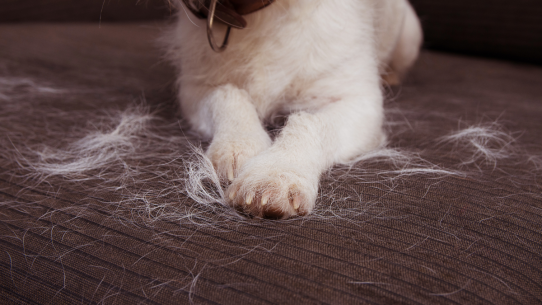
- Maintain Hygiene: Keeps your dog clean, reduces odor, and prevents mats.
- Detect Health Issues Early: You can spot lumps, bumps, or skin problems before they worsen.
- Reduce Stress: Dogs feel more comfortable and confident when they are well-groomed.
- Strengthen Your Bond: Grooming is a form of one-on-one interaction that builds trust.
2. Essential Grooming Tools for Beginners
Before you start, gather these must-have tools:
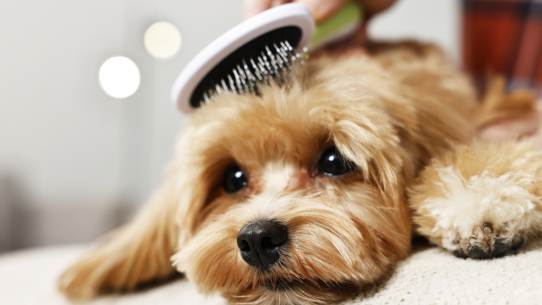
- Brushes and Combs: Use a slicker brush for long-haired breeds and a bristle brush for short-haired dogs.
- Dog Shampoo and Conditioner: Only use dog-specific products to avoid skin irritation.
- Nail Clippers or Grinder: Keeps nails at a safe length and prevents injuries.
- Ear Cleaner: Helps prevent infections.
- Towels and Blow Dryer (Optional): For drying long-haired dogs safely.
Pro Tip: Keep all tools in one kit so grooming becomes a quick and easy routine.
3. How to Brush Your Dog
- Brush 2–3 times a week for short-haired dogs, daily for long-haired breeds.
- Start slowly, letting your dog sniff the brush to get comfortable.
- Brush in the direction of hair growth to prevent discomfort.
- Reward your dog with treats or praise for cooperation.
Pro Tip: Brushing removes loose hair, prevents tangles, and stimulates healthy skin and coat.
4. Bathing Your Dog at Home
- Frequency: Usually once a month, unless your dog gets dirty frequently.
- Water Temperature: Lukewarm water is best. Avoid hot or cold water.
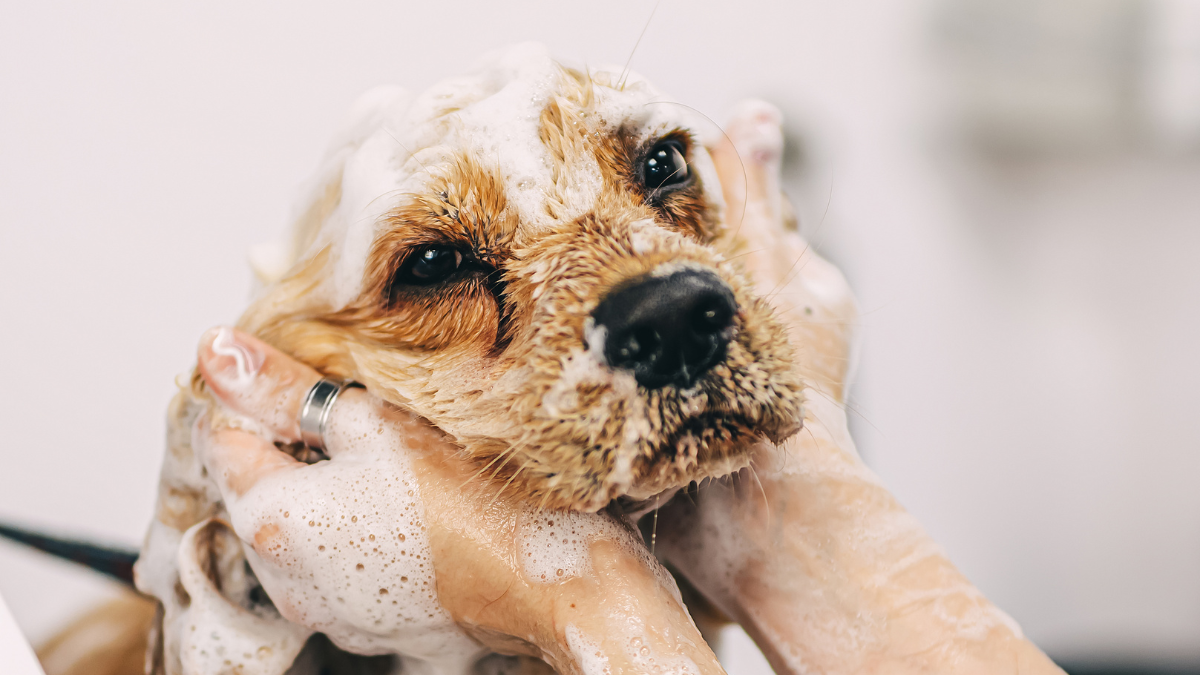
- Shampoo: Apply dog shampoo evenly, massage gently, and rinse thoroughly.
- Drying: Towel dry first. For long-haired breeds, use a blow dryer on low heat.
Pro Tip: Use a non-slip mat in the tub to keep your dog safe during bath time.
5. Nail Trimming Basics
- Check nails every 2–4 weeks.
- Trim a small amount at a time to avoid cutting the quick (the sensitive part inside the nail).
- Use treats and praise to make it a positive experience.
Pro Tip: Long nails can cause discomfort or joint problems, so keeping them trimmed is essential.
6. Cleaning Your Dog’s Ears
- Use a vet-approved ear cleaner.
- Wipe gently with a cotton ball; avoid inserting anything deep into the ear canal.
- Look out for redness, odor, or excessive wax as signs of infection.
Pro Tip: Regular ear cleaning reduces the risk of painful ear infections.
7. Stress-Free Grooming Tips
- Choose a quiet, comfortable space.
- Keep sessions short for puppies or anxious dogs.
- Use treats, praise, and calm tones to encourage cooperation.
- Introduce new tools gradually to avoid overwhelming your dog.
8. When to See a Professional Groomer
- Severe mats or tangled fur.
- Breeds with complex grooming needs (like Poodles or Shih Tzus).
- Dogs showing extreme anxiety or aggression during grooming.
Pro Tip: Even if you groom at home, occasional professional grooming can keep your dog in top shape.
Conclusion
Home grooming is not just about appearance it’s about health, comfort, and bonding. By following this beginner-friendly guide, you can keep your dog clean, happy, and healthy while creating a positive grooming routine that strengthens your relationship.
Pro Tip: Start slowly, stay consistent, and always reward your pup for their patience. Grooming your dog at home can become a rewarding part of your weekly routine.