





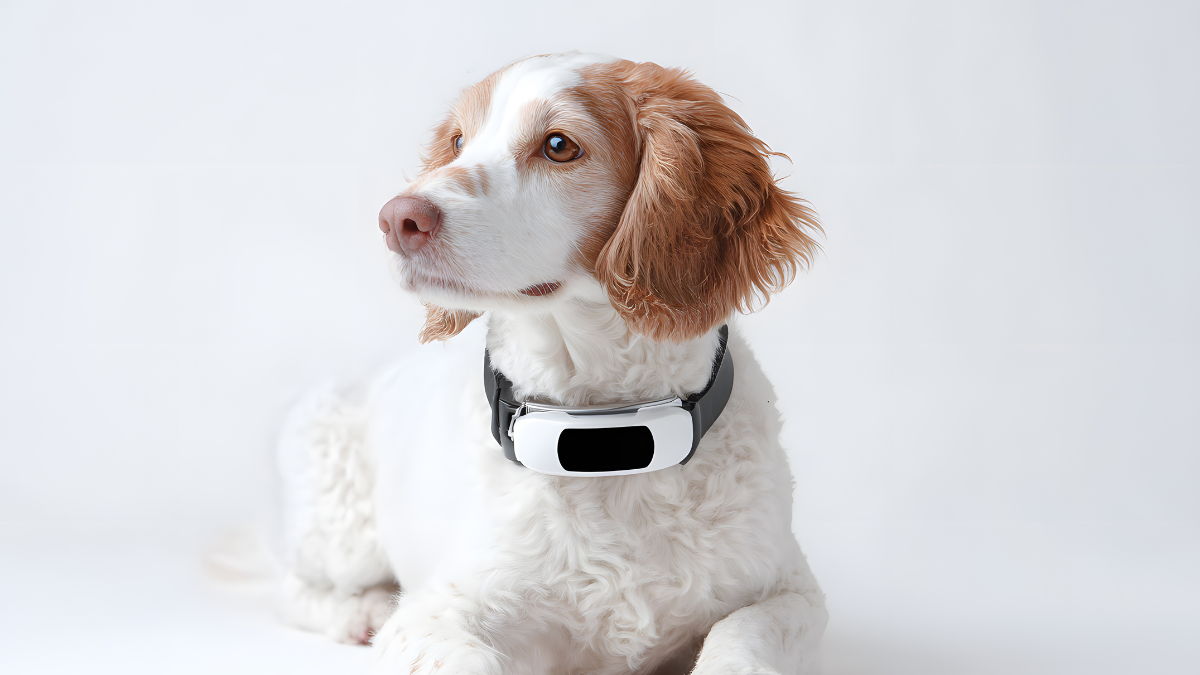

Smart dog collars are no longer just a novelty, they are an essential tool for modern pet owners. Combining training assistance and health tracking, these collars help you understand your dog better, keep them safe, and ensure they stay active and healthy. In 2025, advancements in pet technology have made smart collars more accurate, user-friendly, and accessible.
1. What Are Smart Dog Collars?
Smart dog collars are wearable devices equipped with sensors and GPS that track your dog’s activity, location, and sometimes health metrics like heart rate and sleep patterns. Many also integrate with apps to help with training commands or behavior monitoring.
Key Features:
- GPS tracking to prevent lost pets
- Activity and exercise monitoring
- Health metrics: heart rate, sleep quality, calories burned
- Vibration or tone alerts for training
- Remote control via smartphone apps
2. Benefits of Smart Dog Collars
- Enhanced Training: Use vibration, sound, or gentle correction features to reinforce commands.
- Health Monitoring: Track activity levels, sleep patterns, and overall wellness.
- Safety and Security: GPS tracking ensures you always know your dog’s location.
- Behavior Insights: Identify patterns such as excessive barking, restlessness, or low activity.
- Peace of Mind: Real-time notifications let you respond quickly if something is wrong.
3. How to Use Smart Dog Collars for Training
- Start Slowly: Introduce your dog to the collar gradually to avoid stress.
- Pair with Positive Reinforcement: Use treats or praise when your dog responds correctly.
- Set Clear Commands: Use the collar in combination with verbal commands to reinforce training.
- Monitor Progress: Track your dog’s response over time via the collar’s app.
4. How to Use Smart Dog Collars for Health Monitoring
- Daily Activity Goals: Check step counts or activity minutes to ensure your dog gets enough exercise.
- Sleep Tracking: Identify if your dog is restless or getting enough rest.
- Weight Management: Use activity data to help manage your dog’s diet and weight.
- Alerts for Unusual Behavior: Some collars notify you of sudden changes in activity or health metrics.
5. Tips for Choosing the Right Smart Dog Collar
- Check size and comfort the collar should fit snugly but not restrict movement.
- Look for battery life that suits your usage.
- Choose collars with reliable app interfaces for easy monitoring.
- Ensure the collar has safety certifications and is made from non-toxic materials.
6. Safety Considerations
- Never leave the collar on a puppy or dog for too long initially.
- Regularly check for skin irritation or chafing.
- Avoid over-relying on the collar, combine with traditional training methods.
Conclusion
Smart dog collars are transforming how pet owners train and care for their dogs. By providing insights into activity, health, and behavior, these devices help dogs stay happier, healthier, and safer. In 2025, embracing this technology can make your life easier while strengthening your bond with your furry friend.
Remember, a smart collar is a tool, not a replacement for love, attention, and proper training. Use it responsibly to give your dog the best care possible.