


Seeing your dog vomit yellow foam can be alarming, especially when it happens more than once. The yellow color usually means your dog is throwing up bile, a digestive fluid that helps break down food. When a dog’s stomach is empty or irritated, bile can build up and cause vomiting. Many causes are mild, but some need quick attention.
Vomiting Bile Because of an Empty Stomach
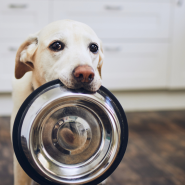
One of the most common reasons dogs vomit yellow foam is because they haven’t eaten for several hours. When the stomach stays empty, bile irritates the lining and triggers vomiting. This often happens early in the morning.
Common signs
• Vomiting only once
• Dog eats normally afterward
• Dog is active and playful
What you can do
Offer a small snack before bedtime or split meals into smaller portions throughout the day.
Hunger Puking in High Energy Dogs
Young, active, or anxious dogs burn calories quickly. Their stomach empties faster, allowing bile to build up. Feeding more frequent meals often helps.
Mild Stomach Irritation
Dogs explore with their mouths. Eating grass, licking dirty surfaces, or tasting something unusual can irritate the stomach.
Signs it’s mild
• Vomiting once or twice
• No diarrhea
• Normal energy
Eating Too Fast
Dogs that eat too quickly may vomit soon after meals. When the stomach is sensitive, bile mixes with food and appears as yellow foam.
Try this
• Use a slow feeder bowl
• Feed smaller meals
• Make fresh water available
Food Sensitivity or Sudden Diet Change
Switching foods too quickly or feeding ingredients your dog reacts to can cause vomiting.
Signs of food-related issues
• Soft stools
• Excess gas
• Itching or ear infections
• Vomiting after certain meals
Bilious Vomiting Syndrome
Some dogs vomit yellow foam when they go too long without eating. This is known as Bilious Vomiting Syndrome.
What helps
• Feed smaller meals through the day
• Offer a bedtime snack
• Vet may suggest stomach-settling medication
Intestinal Blockage
Swallowing toys, bones, socks, or foreign objects can cause vomiting yellow foam. This is an emergency.
Warning signs
• Repeated vomiting
• No appetite
• Bloated belly
• Lethargy
• Pain when touched
If you suspect a blockage, visit a vet right away.
Pancreatitis
Pancreatitis often occurs after eating fatty foods and can cause yellow foam vomiting.
Symptoms
• Multiple vomiting episodes
• Belly pain
• Diarrhea
• Lethargy
• Hunched posture
Intestinal Parasites
Parasites can irritate the digestive system and lead to vomiting.
Signs of parasites
• Weight loss
• Loose stools
• Visible worms
• Increased appetite
When Should You Call a Vet?
Call your vet if your dog:
- Vomits yellow foam more than twice
- Has blood in the vomit
- Refuses to eat
- Has diarrhea
- Seems weak or shaky
- Has a swollen belly
- May have eaten something unsafe
How to Help Your Dog at Home
If your dog seems normal otherwise, try:
- Smaller, frequent meals
- A bedtime snack
- Using a slow feeder
- Keeping your dog hydrated
- Feeding a bland diet like boiled chicken and rice
Final Thoughts
Most cases of yellow foam vomiting come from an empty stomach or mild irritation. Watching feeding schedules and behavior helps prevent future episodes. If vomiting continues or your dog seems uncomfortable, contact your veterinarian for proper care.