


Panting is completely normal for dogs. It helps them cool down and release heat. But when panting suddenly becomes heavy, frequent or seems unusual, it can be a sign that something else is going on. Understanding why your dog is panting helps you decide whether they need rest, water or a visit to the vet.
Normal panting
Dogs pant to control body temperature. They do not cool down like humans do, so panting is their main way to release heat.
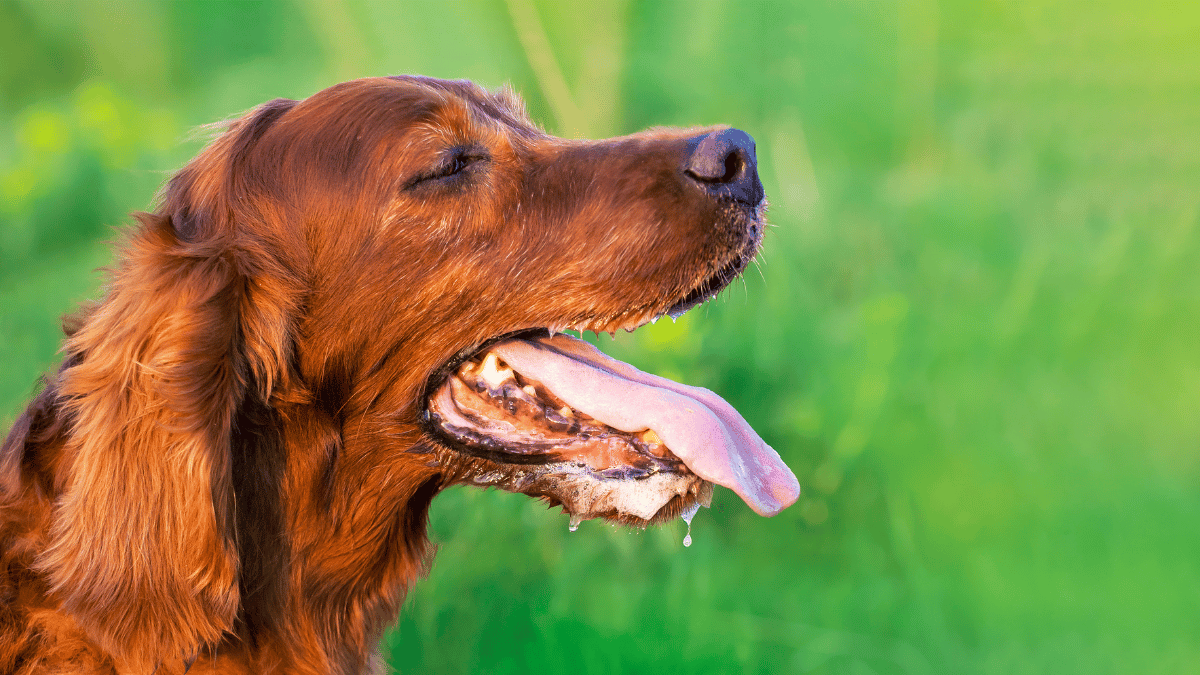
Normal panting looks like
• Tongue out
• Smooth breathing
• Happens after exercise
• Stops once your dog rests
If your dog pants during play or after a walk, this is completely normal.
Panting from heat
Warm weather can cause dogs to pant heavily, especially breeds with short noses or thick coats.
Signs of heat panting
• Heavy breathing
• Seeking shade
• Lying on cool surfaces
• Mild drooling
What helps
Bring your dog inside, offer fresh water and avoid outdoor activity during peak heat.
Stress or anxiety
Dogs pant when they feel nervous or overwhelmed.
Common triggers
• Car rides
• Vet visits
• Loud noises
• New places
Signs
• Pacing
• Whining
• Panting that stops once the stress is gone
Comfort your dog and remove them from stressful situations when possible.
Pain or discomfort
Panting is one of the first signs dogs show when they are in pain.
Signs
• Restlessness
• Whining
• Licking one area
• Refusing food
• Limping
If you think your dog may be in pain, contact your vet.
Overexertion
Running, playing or long walks can cause panting that continues for a while after activity.
Signs
• Tiredness
• Lying down quickly
• Drooling
Let your dog rest and offer water.
Fever or illness
Panting can happen when your dog’s temperature is higher than normal.
Signs
• Warm ears
• Shivering
• Lack of energy
• Loss of appetite
A vet exam can help find the cause.
Heart or lung problems
These can cause heavy panting, coughing or trouble breathing.
Warning signs
• Panting at rest
• Coughing
• Blue or pale gums
• Tiring quickly
These symptoms need urgent veterinary attention.
Poisoning or toxins
Some toxins cause shaking, vomiting and heavy panting.
Signs
• Sudden panting
• Drooling
• Weakness
• Tremors
Contact a vet immediately if you suspect poisoning.
When to see a vet
Call your veterinarian if your dog:
• Pants heavily at rest
• Pants nonstop for no clear reason
• Has blue, gray or pale gums
• Collapses or seems weak
• Has trouble breathing
• Shows signs of heatstroke
• Vomits while panting
These may be signs of a serious condition.
How to help your dog at home
You can try:
• Providing cool water
• Keeping your dog indoors
• Using fans or cool mats
• Reducing exercise in warm weather
• Staying calm and comforting your dog
If panting continues or worsens, always call your vet.
Final thoughts
Panting is normal, but unusual or heavy panting can be a sign that your dog needs attention. Pay close attention to when the panting happens, how long it lasts and what other signs you notice. When in doubt, contact your veterinarian. Pet parents know their dogs best, and your instincts matter.