


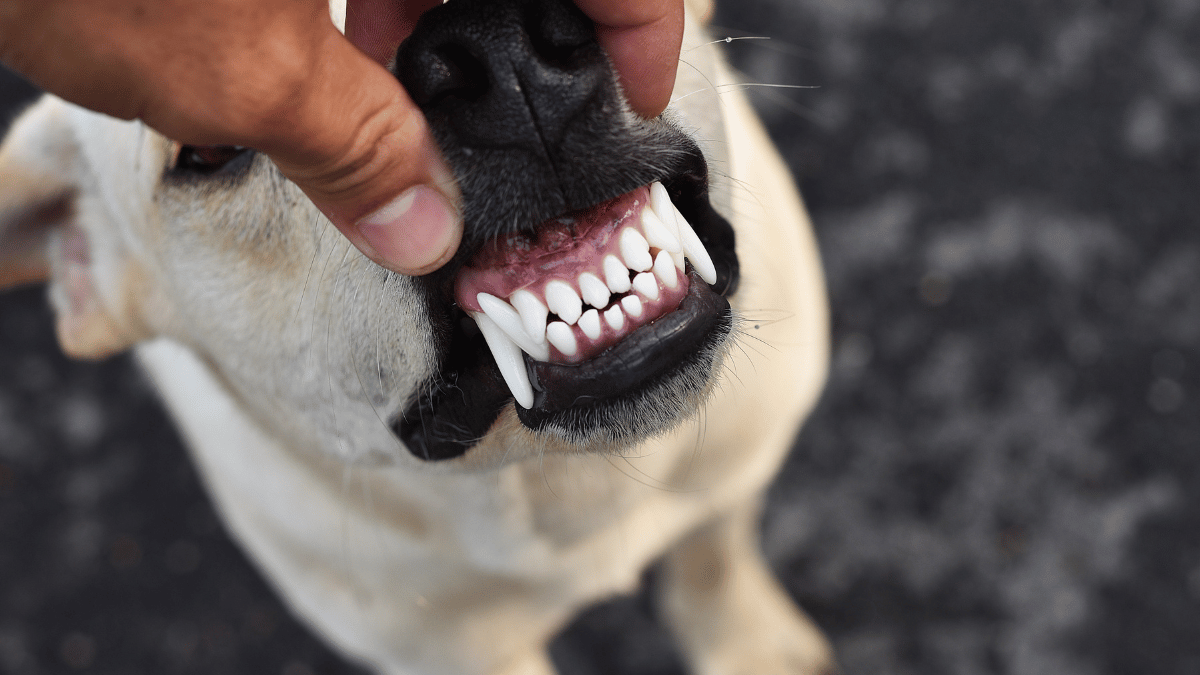

Puppy teething can be a challenging stage for pet parents. Chewing, biting and sore gums are all normal parts of growing up, but they can also be frustrating if you are not prepared. Understanding what happens during teething and how long it lasts can help you support your puppy through this important stage.
When teething starts
Puppies begin teething around 3 weeks old when their baby teeth start coming in. Most pet parents notice teething when puppies reach 8 to 10 weeks and become more mouthy.
Puppy teething timeline
3 to 6 weeks
Baby teeth start coming in.
8 to 12 weeks
Puppies explore everything with their mouths.
12 to 16 weeks
Baby teeth begin falling out.
4 to 6 months
Adult teeth start growing in.
6 to 8 months
Most puppies finish teething and have their full set of adult teeth.
Every puppy is different, but most complete the teething stage by 8 months.
Signs your puppy is teething
• Chewing everything
• Mild drooling
• Red or swollen gums
• Whining during chewing
• Play biting
• Small spots of blood on toys
• Less interest in dry kibble
These signs are normal as your puppy adjusts to their new teeth.
How to help your teething puppy
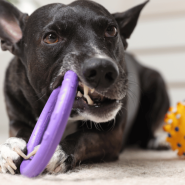
Offer safe chew toys
Choose durable, puppy-safe chew toys that soothe the gums and redirect unwanted chewing.
Use frozen treats
Frozen veggies or ice cubes can reduce gum swelling and discomfort.
Avoid rough play
Avoid tug-of-war or hard pulling games that can irritate your puppy’s gums.
Rotate toys
Switch toys daily to keep your puppy engaged and less likely to chew furniture.
Provide soft food if needed
If your puppy seems uncomfortable eating dry kibble, soften it with warm water.
Puppy-proof your home
Teething puppies will chew almost anything. Keep shoes, cords and valuables out of reach.
When teething pain is not normal
Call your vet if you notice:
• Severe swelling
• Strong bad breath
• Loss of appetite
• Bleeding that does not stop
• A baby tooth that won’t fall out
• Signs of infection
Some puppies need dental help if baby teeth stay in too long.
How long does teething last?
Most puppies finish teething between 6 and 8 months, but some take longer. Consistent routines, safe toys and patience can make this stage easier for both you and your puppy.
Final thoughts
Teething is a normal part of your puppy’s development. With the right toys, gentle care and supervision, you can help your puppy get through this stage comfortably. Stay patient and supportive. Your puppy is learning, growing and discovering the world through their teeth.