




Choosing the right diet for your dog can be confusing. Many pet parents wonder whether a raw diet is healthier than kibble or if dry food is the safer option. The truth is that both diets have benefits and risks. The right choice depends on your dog’s age, health, lifestyle and digestion. This guide explains both clearly so you can make a confident decision for your pet.
1. What Is a Raw Diet for Dogs?
A raw diet usually includes
• Raw meat
• Bones
• Organs
• Eggs
• Vegetables or fruit
Some raw feeders prepare meals at home while others choose commercial frozen or freeze-dried raw diets.
2. Benefits of a Raw Diet
Some owners notice improvements such as
• Shinier coat and healthier skin
• Smaller and firmer stools
• Higher energy
• Better muscle tone
• More natural ingredients
Many believe raw ingredients are closer to what dogs ate in the wild, but this diet must be done carefully to avoid health risks.
3. Risks of a Raw Diet
Things to consider
• Bacteria like Salmonella or E.coli
• Imbalanced nutrients if not calculated properly
• Possible choking from raw bones
• Higher cost and storage needs
• Not always recommended for puppies, seniors or sick dogs
Raw diets should be discussed with a veterinarian before starting.
4. What Is Kibble (Dry Dog Food)?
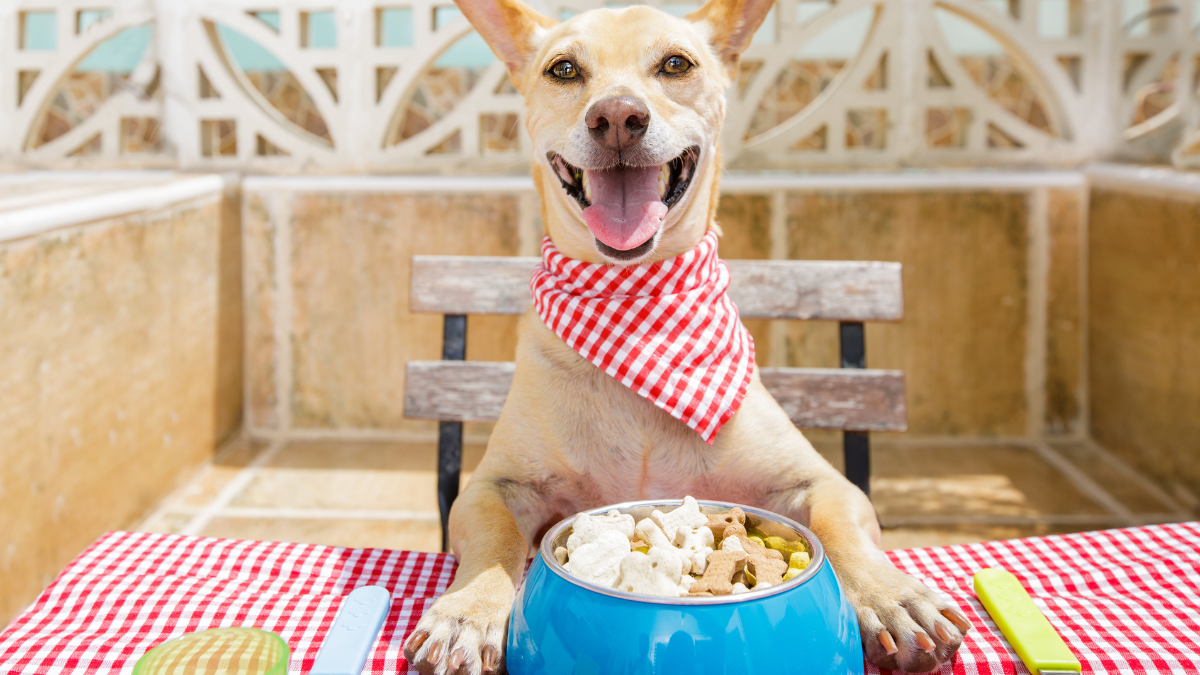
Kibble is a dry commercial dog food that comes in bags and is ready to serve. It is the most commonly used diet because it is easy to store and measure.
5. Benefits of Kibble
• Easy to store and feed
• More budget friendly
• Nutritionally balanced when chosen carefully
• Supports dental health in some dogs
• Safe from harmful bacteria
Kibble is convenient but ingredient quality varies by brand.
6. Drawbacks of Kibble
• Some brands use fillers or additives
• Dogs may become bored with the same flavour
• Can cause allergies in sensitive dogs
• Less moisture than fresh food
Always read the label. The first ingredient should be real meat, not meat by-products or corn.
7. Can You Mix Raw and Kibble?
Some owners use both. This is called a hybrid diet. If mixing, try serving raw and kibble in separate meals. Mixing in one bowl may affect digestion in certain dogs. Always introduce changes slowly.
8. How to Choose the Right Diet
Ask yourself
• What does my dog digest better
• Do they have allergies
• What is my budget
• How much time can I dedicate
• What does my vet recommend
There is no one perfect diet. The best food is the one that keeps your dog healthy, active and comfortable.
Conclusion
Both raw diet and kibble have pros and cons. What works for one dog may not work for another. The safest choice is to observe how your dog responds to food and speak with a veterinarian before making big changes. A healthy diet is not about trends. It is about giving your dog what suits their body and lifestyle.
Healthy eating leads to a happier life for your dog.