




Teaching your dog to come when called is not just a training trick. It can protect their safety during walks, emergencies or off-leash play. A strong recall builds trust and creates better communication between you and your dog. This guide explains how to train recall step by step using positive and effective methods.
1. What Is Recall Training and Why It Matters
Recall means your dog returns to you the moment they hear their name or a command. It is important for
• Safety outdoors
• Off-leash freedom
• Emergency situations
• Strong obedience
• Better bonding
A reliable recall can prevent accidents and give your dog more freedom while staying safe.
2. Starting Recall Training Indoors
Begin in a quiet room without distractions.
• Use a happy voice
• Call their name followed by a cue such as “come”
• When they move toward you, praise and reward
• Practice for short sessions of five to ten minutes
This creates early understanding before practicing outside.
3. Use High-Value Rewards
To make recall exciting, use something your dog loves
• Soft treats
• Small pieces of chicken
• A favorite toy
• Extra affection
Reward immediately when your dog reaches you. Fast rewards help them connect the action with the command.
4. Add Distance and Distraction Slowly
Once your dog understands recall inside, try
• Moving to another room
• Practicing in the yard
• Asking family members to join
• Using a long training leash
Do not start in busy areas too quickly. Slow progress creates stronger behavior.
5. Recall Game to Build Confidence
Turn training into a fun game
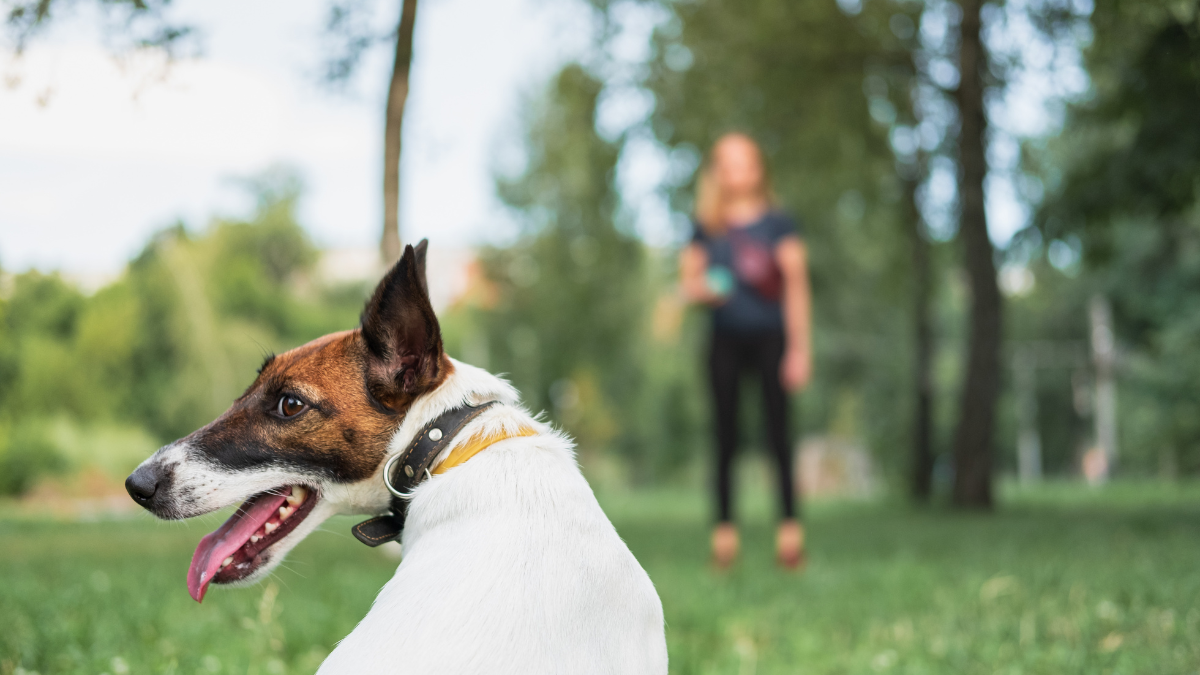
• Stand a few steps away and call your dog
• Reward when they run toward you
• Take turns with another person
• Gradually increase distance
Puppies and young dogs learn faster when training feels like playtime.
6. What NOT to Do
Avoid common mistakes
• Never call your dog to scold them
• Do not chase them when they run away
• Avoid shouting or showing anger
• Do not overuse the word “come”
Only use recall when you can reward success.
7. Practice in Real-life Situations
After your dog learns basic recall
• Try calling during walks
• Practice in safe open spaces
• Slowly reduce treat use
• Keep occasional rewards for reinforcement
Consistency is key. A strong recall is built through repetition and trust.
Conclusion
Recall training is one of the most useful skills your dog can learn. With positive rewards, daily practice and clear cues you can teach your dog to come every time they are called. It improves safety, confidence and strengthens the bond between you both.
A reliable recall gives your dog freedom while keeping them safe.