

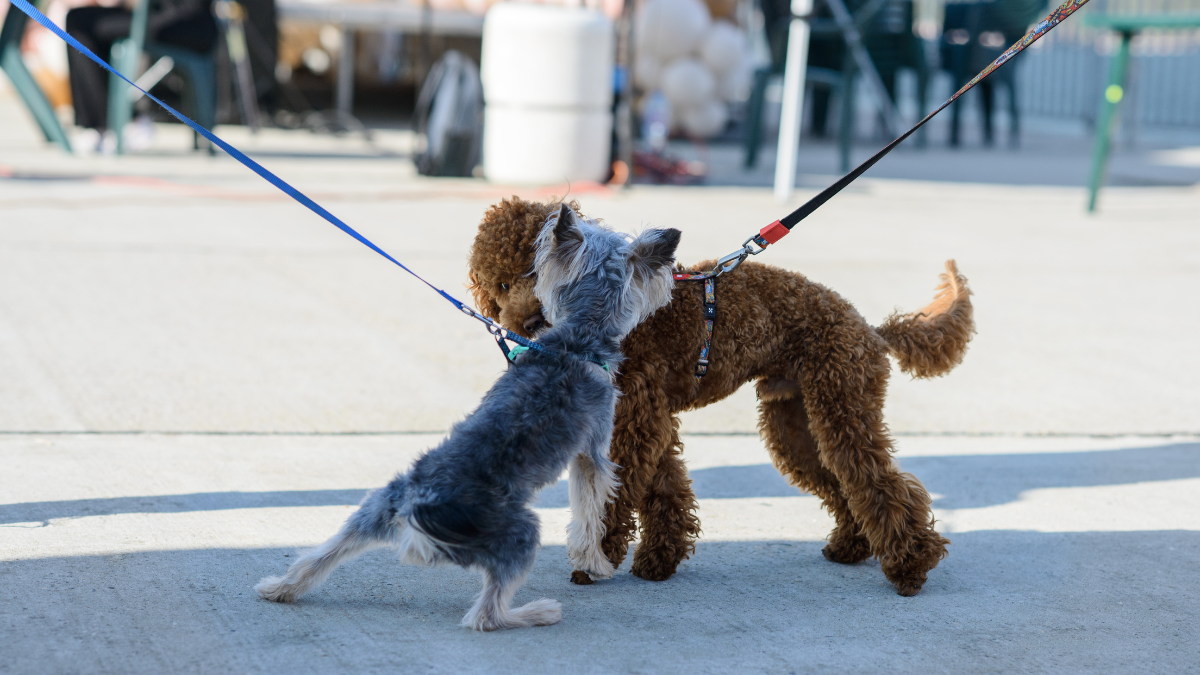

Leash reactivity is one of the most common challenges dog owners face. When a dog barks, pulls or lunges at other dogs, it can make walks stressful. The good news is that leash reactivity is often based on fear or excitement and can be improved with the right training. This guide explains why it happens and how to reduce it step by step.
1. Why Dogs React on the Leash
Common reasons include
• Fear of other dogs
• Overexcitement
• Lack of socialization
• Frustration from being restrained
• Previous bad experiences
Understanding the cause helps create the right training plan.
2. Early Signs of Leash Reactivity
Look for these signals before barking starts
• Staring and stiff posture
• Raised tail
• Pulling forward
• Ears pointed ahead
• Body weight shifting forward
Catching early signs lets you redirect before barking begins.
3. Create Distance First
Do not force your dog to face their trigger closely. Start with
• Walking far away from other dogs
• Crossing the street if needed
• Keeping a loose leash
• Staying calm yourself
Space builds safety and your dog needs to feel safe to learn.
4. Use the “Look at Me” Cue
A simple method to redirect focus
- Hold a treat near your face
- Say “look at me”
- Reward when your dog makes eye contact
- Practice daily indoors first
This builds attention and control during stressful moments.
5. Reward Calm Behaviour
• Reward when your dog looks at you instead of the other dog
• Praise for ignoring distractions
• Stay relaxed and use a confident tone
Calm walking should feel rewarding.
6. Avoid These Mistakes
• Do not pull the leash harshly
• Do not scold or shout
• Avoid dog parks early in training
• Do not walk directly toward other dogs
Tension travels through the leash. Calm handling creates calm behaviour.
7. When to Get Professional Help
A trainer may help if your dog
• Growls or snaps regularly
• Shows fear of many triggers
• Has a history of aggression
• Does not improve over time
Professional guidance can protect both you and your dog.
Conclusion
Leash reactivity is common but manageable. With space, redirection and positive training your dog can learn to walk calmly and feel safe around other dogs. Progress may be slow but even small improvements build confidence and trust.
A calm walk begins with calm guidance.