

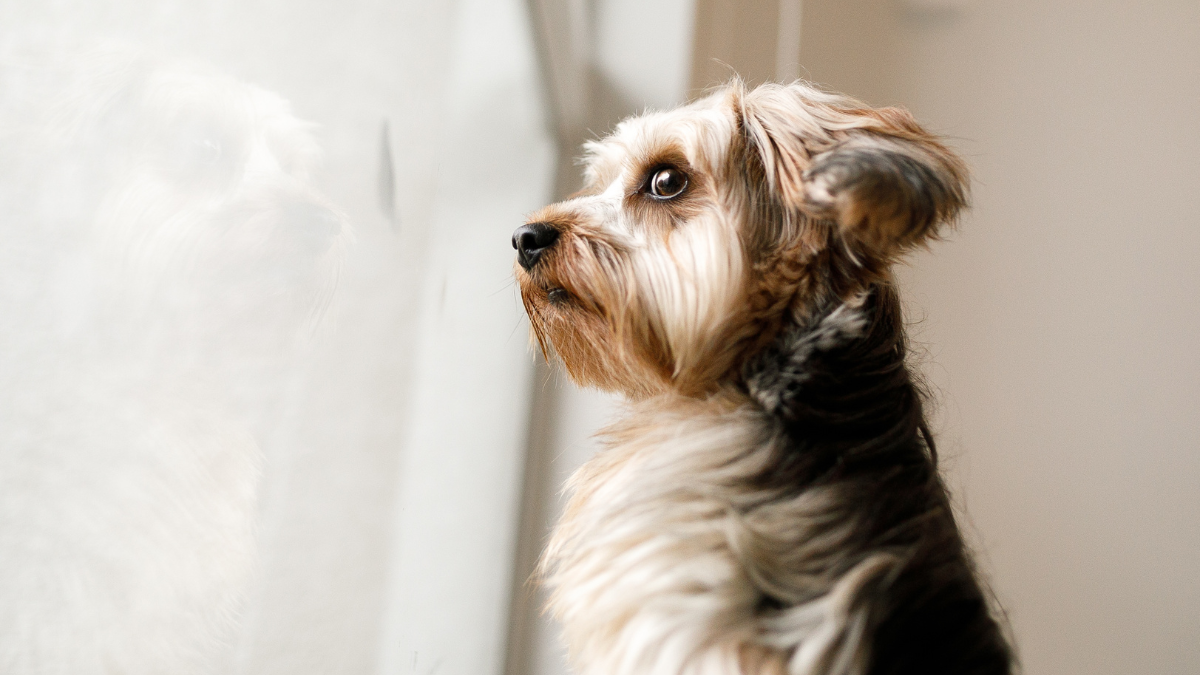

Separation anxiety is one of the most challenging behaviours for dog owners. Dogs with anxiety may bark, cry or become destructive when left alone. The good news is that with gradual training and the right routine, most dogs can learn to stay calm and feel safe even when you are away. This guide provides a step-by-step plan to help your dog build confidence and independence.
1. Signs of Separation Anxiety
Common signs include
• Crying or barking when you leave
• Following you from room to room
• Destructive behavior
• Heavy panting or pacing
• Accidents inside the house
• Trying to escape crates or rooms
If your dog shows these behaviours only when alone, separation anxiety may be the reason.
2. Start With Short Practice Sessions
• Begin by stepping out for just a few seconds
• Do not make a big exit or loud goodbye
• Return calmly without excitement
• Slowly increase the time away
Small progress builds trust and reduces fear.
3. Create a Safe Space
Choose a quiet and comfortable area. Make it calm by adding
• Their bed or blanket
• Safe chew toys
• Soothing background music
• Enrichment puzzles
A safe space helps your dog relax faster.
4. Use the “No Big Deal” Method
Practice leaving the room often without emotional reactions
• Stand up
• Leave the room briefly
• Return quietly
• Repeat several times
Your dog learns that coming and going is normal.
5. Build a Calm Pre-Leave Routine
Try to keep the atmosphere peaceful before leaving
• No excitement
• No sudden exit
• Avoid eye contact right before leaving
• Use a calm voice and slow movements
Routine reduces surprise and stress.
6. Helpful Tools (Vet Approved)
These may support training
• Calming chews
• Sniffing mats
• Puzzle feeders
• Thundershirts
Our Recommendation:
Add Amazon affiliate links under this section for monetization.
7. When to Seek Professional Help
Contact a trainer or vet if your dog
• Panics quickly when alone
• Hurts themselves trying to escape
• Does not improve over time
• Shows high anxiety in other situations too
A behaviour plan or medication may be recommended in serious cases.
Conclusion
Separation anxiety takes time to improve but it can be managed with calm training and gentle guidance. With small steps and a consistent routine your dog can learn to be alone safely and without fear.
Independence is a skill that can be trained at any age.