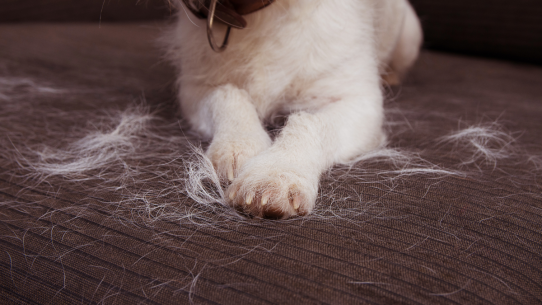


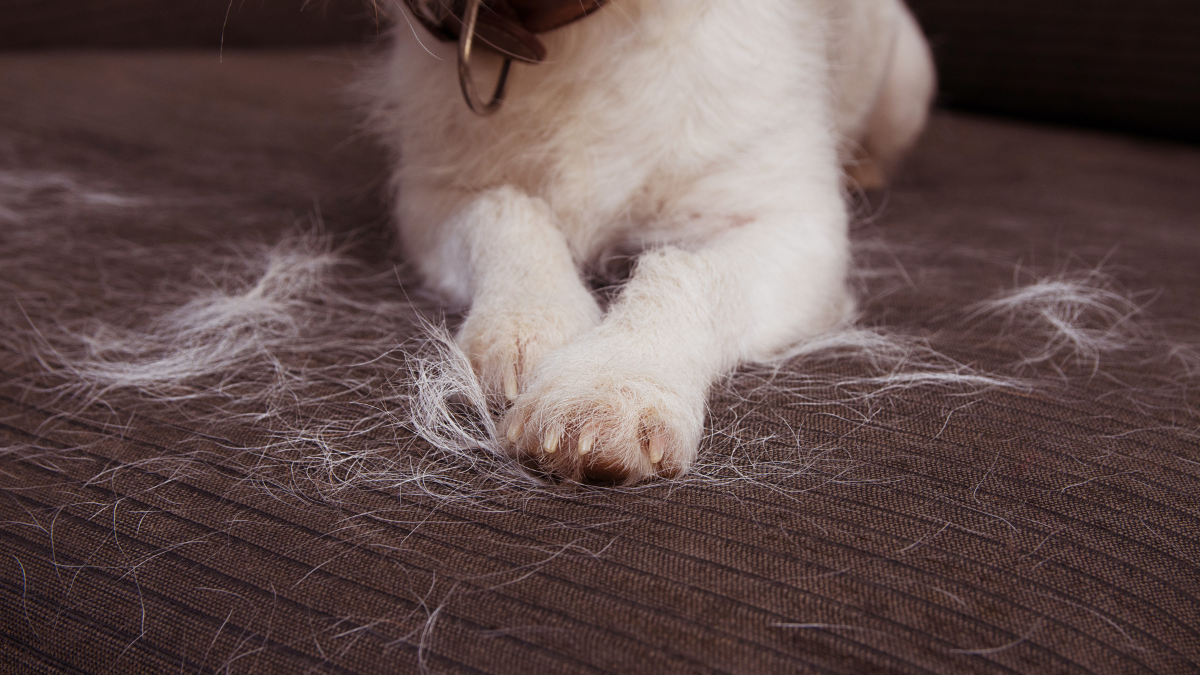

Shedding is a natural process for dogs, but too much hair around the house can be frustrating. While shedding can’t be fully stopped, it can be reduced and managed with the right grooming, nutrition and care. In many cases, heavy shedding is linked to diet, stress, skin health or seasonal changes. This guide will help you understand why dogs shed and how to control it easily at home.
Why Do Dogs Shed?
Shedding helps remove old or damaged hair and allows new hair to grow. Some breeds shed more than others, especially double-coated dogs like Golden Retrievers, Huskies, German Shepherds and Labradors. Seasonal shedding often increases during spring and fall when dogs prepare their coat for temperature changes.
However, excessive shedding can sometimes indicate health issues such as allergies, poor diet or skin problems—which is why management and prevention are important.
1. Brush Your Dog Regularly
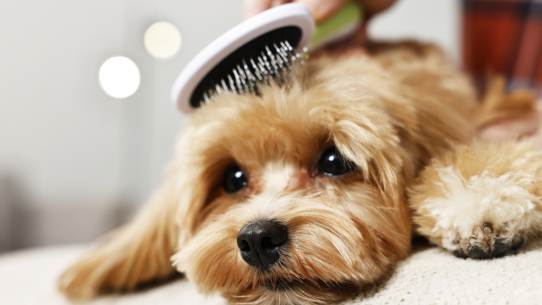
Brushing removes loose hair before it falls around your home. It also improves blood flow to the skin and spreads natural oils throughout the coat.
How often to brush:
• Short coat: 2–3 times a week
• Medium coat: 3–4 times a week
• Long or double coat: Daily or every alternate day
Best tools:
• Slicker brush
• De-shedding tool
• Undercoat rake (for thick coats)
Regular brushing is the most effective way to reduce shedding naturally.
2. Use the Right Shampoo
Bathing helps wash away old hair and dirt that may cause irritation. Use a mild, dog-safe shampoo — especially one with oatmeal or aloe vera if your dog has sensitive skin.
Grooming Tips:
• Do not bathe too frequently (every 3–4 weeks is enough)
• Rinse thoroughly to avoid residue
• Dry completely — wet skin can cause itching or hotspots
For heavy shedding, you can also use de-shedding shampoos approved by vets.
3. Improve Your Dog’s Diet
A healthy coat starts from inside. Poor nutrition can lead to dry skin and more shedding. Try adding foods and supplements that support coat health:
Helpful ingredients:
• Omega-3 fatty acids (fish oil)
• High-quality protein
• Probiotics for gut health
• Biotin and Vitamin E
Tip: If your dog’s coat is dull or shedding increases after a food change, speak to your vet about diet adjustments.
4. Keep Your Dog Hydrated
Dehydration can make skin dry and increase shedding. Always provide clean, fresh drinking water. Wet food or adding water to dry kibble can also help improve hydration.
5. Control Fleas and Allergies
Flea bites and allergic reactions cause itching and scratching, which leads to more hair loss. Use flea prevention treatments and speak to your vet if your dog shows signs of allergies such as:
• Red skin
• Constant licking
• Ear irritation
• Hair thinning
• Itchy paws
Treating allergies early can significantly reduce shedding.
6. Reduce Stress and Boredom
Stress can also trigger shedding. Try to provide mental and physical stimulation daily. Short training sessions, scent games, walks and chew toys can help reduce anxiety and promote better coat health.
7. When to See a Vet
Visit a vet if you notice:
• Bald patches
• Strong skin odor
• Red or flaky skin
• Sudden heavy shedding
• Extreme itching or chewing
These may indicate underlying health issues such as thyroid problems, mites, skin infection or hormonal imbalance.
Conclusion
Shedding is natural, but it doesn’t have to take over your home. With regular brushing, balanced nutrition and proper care, you can reduce dog shedding and keep your pet comfortable and healthy. A well-groomed dog is not just cleaner—it’s happier.
A strong coat begins with good care at home.